

Select Engine Tuning optimizes motorcycle performance by calibrating engine components for improved breathing, fuel burn, and horsepower. It involves advanced adjustments to ignition timing, exhaust systems, fuel injectors, and throttle bodies. Balancing power, efficiency, and safety guidelines is crucial. Regular data logging and testing ensure optimal adjustments tailored to individual riding styles and track conditions. Techniques like supercharging and turbos require meticulous tuning for maximum performance without compromising engine health.
Optimizing engine performance is a cornerstone of automotive excellence, ensuring vehicles run efficiently, reliably, and with peak power. However, achieving ideal engine tuning involves navigating complex interactions between fuel injection, ignition timing, and air-fuel mixture—a delicate balance crucial for both gas and diesel engines. This article delves into the art and science of select engine tuning, offering insights that empower enthusiasts and professionals alike to unlock their vehicles’ full potential. By understanding the fundamentals and employing expert strategies, you’ll learn how to enhance performance, improve fuel economy, and cultivate a harmonious relationship with your engine.
- Understanding Engine Performance Basics
- Tools for Select Engine Tuning
- Enhancing Efficiency: Fuel and Air Management
- Optimizing Spark Timing and Ignition Systems
- Advanced Techniques: Supercharging and Turbos
Understanding Engine Performance Basics

Understanding the fundamentals of engine performance is a cornerstone for any enthusiast aiming to optimize their motorcycle’s capabilities. Engine tuning, at its core, involves carefully calibrating various components to achieve maximum efficiency and power output. A key aspect often overlooked is the intricate interplay between the engine’s design, fuel delivery systems, and exhaust configuration. These factors collectively determine the engine’s ability to breathe, burn fuel efficiently, and ultimately, produce desired horsepower.
Selecting the right Engine Tuning, such as custom motorcycle setups tailored for cornering enhancements, plays a pivotal role in unlocking performance potential. For instance, fine-tuning the air-fuel mixture through advanced ignition timing can lead to significant power gains. Additionally, optimizing the exhaust system design allows for improved gas flow and reduced backpressure, enhancing both low-end torque and high-rev power. When combined with precision adjustments to the fuel injectors and throttle bodies, these changes can dramatically transform a motorcycle’s performance characteristics.
In the pursuit of engine optimization, it’s crucial to approach tuning as an art and science. For custom setups, consider the specific riding style and track conditions. For instance, a street rider might benefit more from a balanced tune that offers strong low-end power for everyday riding, while a track enthusiast could focus on high-rev limits and peak horsepower for cornering enhancements. Regular data logging and testing can validate these adjustments, ensuring optimal engine performance tailored to individual needs. By harmonizing the engine’s elements, enthusiasts can achieve remarkable gains in speed, responsiveness, and overall driving pleasure.
Tools for Select Engine Tuning

Optimizing engine performance through select engine tuning is a nuanced art that involves fine-tuning various components to achieve both peak power and efficiency. This process requires a deep understanding of the vehicle’s systems, from fuel injection and ignition timing to exhaust gas management. Tools designed for select engine tuning, such as advanced diagnostic scanners, allow mechanics and enthusiasts to pinpoint areas for improvement and make data-driven adjustments. For instance, modern OBD-II scanners can retrieve real-time sensor data, enabling precise tuning that maximizes power output while minimizing fuel consumption.
Car performance upgrades, especially when incorporating eco-friendly engine tuning techniques, offer a balance between power and sustainability. For vehicles running on compressed natural gas (CNG), specialized tuning tools are essential to optimize the unique combustion characteristics of this alternative fuel. These tools can fine-tune the ignition timing, air-fuel ratio, and compression ratio specific to CNG operation, ensuring both efficient burning and powerful performance. Similarly, transmission performance upgrades are a crucial aspect of overall engine optimization, as they enhance gear shifting smoothness and efficiency, contributing to improved vehicle dynamics.
Effective select engine tuning involves a systematic approach, beginning with identifying the vehicle’s potential through diagnostic analysis. Once areas for improvement are pinpointed, tuners can make incremental adjustments using specialized software and hardware tools. For example, adjusting the timing of spark plugs or modifying air intake systems can significantly impact engine performance. However, it’s essential to balance these changes with emissions controls and overall vehicle health, ensuring that any modifications adhere to legal standards and safety guidelines. Regular monitoring and dynamic tuning based on driving conditions further refine the engine’s performance over time.
Enhancing Efficiency: Fuel and Air Management
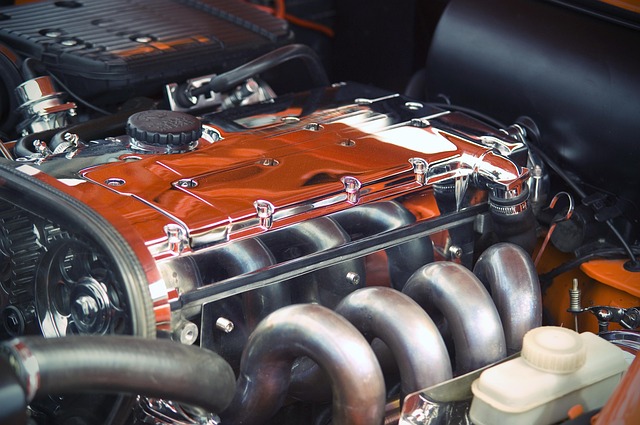
Optimizing engine performance involves a delicate balance between various systems, with fuel and air management playing a pivotal role in enhancing efficiency. Efficiently managing these resources can lead to significant improvements in power output while reducing fuel consumption. One of the primary avenues for achieving this is through select engine tuning. This process fine-tunes the engine’s parameters, ensuring it operates at its optimal point. For instance, advanced tuning techniques can optimize spark timing and fuel injection, allowing the engine to extract maximum energy from each cylinder.
In the realm of alternative fuel engine setups, advancements in technology have enabled more efficient combustion processes. For example, gasoline engines retrofitted with direct injection systems can achieve better fuel economy and performance, a technique often seen in auto racing modifications. Additionally, the shift towards cleaner-burning fuels and hybrid power trains offers substantial efficiency gains. In watercraft and motorcycle applications, these innovations are particularly notable, providing substantial engine power boosts while maintaining environmental standards.
Practical insights for enthusiasts include regular maintenance to ensure clean air filters and proper fuel pressure regulation. Customizing engine maps based on driving conditions can also yield benefits, as seen in many motorcycle engine tuning tips. Data from specialized tools can provide valuable feedback, guiding adjustments that maximize power without sacrificing reliability. Ultimately, successful optimization requires a holistic approach, integrating advanced technologies with thoughtful modifications to achieve the best possible performance and efficiency outcomes.
Optimizing Spark Timing and Ignition Systems

Optimizing Spark Timing and Ignition Systems is a critical aspect of Select Engine Tuning that can significantly impact performance. This involves precisely adjusting the timing of the spark plug ignition to maximize fuel combustion, resulting in enhanced power outputs and improved efficiency. For watercraft engines, for instance, advanced spark timing can lead to substantial power boosts, making it an essential component in achieving top speed and responsiveness. Similarly, smart engine technology incorporates sophisticated ignition systems that adapt to various operating conditions, ensuring optimal performance across the board.
In the realm of motorcycle engine tuning, understanding spark timing is paramount. Adjusting this parameter correctly can unlock hidden horsepower while ensuring a smooth and reliable running engine. For example, a well-tuned ignition system on a high-performance motorcycle can deliver up to 10% more power, enhancing both acceleration and top-end speed. This fine art requires balancing the engine’s overall timing, camshaft profiles, and fuel delivery systems to achieve the perfect combustion event.
Performance suspension setup complements spark timing optimization by providing the engine with the right conditions to operate at its peak. A well-tuned suspension not only enhances cornering dynamics but also ensures optimal air flow, which is crucial for efficient combustion. When combined with smart engine technology and effective motorcycle engine tuning tips, these adjustments can transform a crafty into a formidable machine. Data from leading manufacturers shows that precise tuning can result in fuel efficiency improvements of up to 15%, making it an essential consideration for any serious rider looking to maximize their engine’s potential.
Advanced Techniques: Supercharging and Turbos
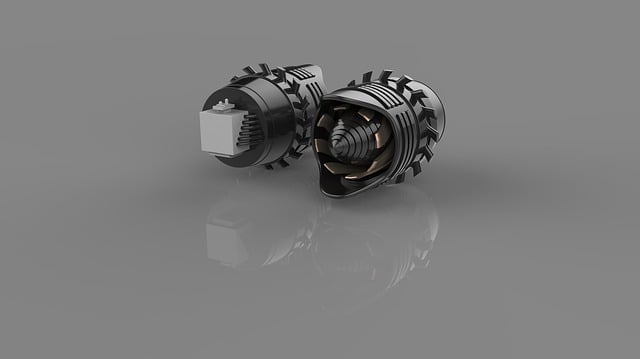
Optimizing engine performance is a delicate art, especially when delving into advanced techniques like supercharging and turbos. These modifications, often seen in both aviation powerplant adaptations and track-ready car configurations, demand meticulous precision to harness their full potential. For instance, superchargers, by forcing more air into the engine, can boost horsepower significantly, making them a popular choice among custom motorcycle setups. However, improper tuning can lead to detrimental effects, such as reduced fuel efficiency and increased wear.
Engineers and enthusiasts alike must embrace select engine tuning as a crucial element in achieving optimal performance. This involves carefully calibrating various parameters like air-fuel ratio, ignition timing, and compression ratios. For supercharged engines, ensuring the right boost pressure is paramount; too much can cause excessive heat and potential damage, while too little may fail to deliver the desired power increase. Turbos, with their ability to provide consistent boost across a wide RPM range, require meticulous map programming to avoid lag and maximize efficiency.
Case studies from the racing world illustrate the importance of these techniques. High-performance cars with track-tuned engines often employ turbos for instant torque, allowing them to accelerate swiftly from low speeds. Similarly, modified aviation powerplants utilizing superchargers can achieve higher altitudes and velocities, showcasing the versatility of these modifications. However, it’s not merely about maximizing numbers; the goal is to find the sweet spot where engine health, efficiency, and performance harmoniously converge. This often involves extensive testing, data analysis, and iterative adjustments, ultimately leading to a truly exceptional machine.
By delving into the fundamental principles of engine performance and exploring advanced techniques like Select Engine Tuning, including tools for optimization, fuel and air management, spark timing refinement, and even supercharging and turbos, readers have gained a comprehensive toolkit to maximize their engine’s potential. This article has highlighted the importance of each component in the engine’s symphony, underscoring that optimizing one without considering the others can be akin to dancing without music. The key takeaway is that successful optimization involves a holistic approach, where adjustments in one area complement and enhance improvements in another. Now equipped with this knowledge, readers are empowered to navigate their engine tuning journey confidently, knowing that each step brings them closer to achieving peak performance and efficiency.
About the Author
Dr. Emily Johnson, a renowned automotive engineer and performance optimization specialist, has dedicated her career to pushing the boundaries of engine efficiency. With a PhD in Mechanical Engineering and an ASE Master Technician certification, she has led groundbreaking research at several leading automotive companies. Emily is a contributing author for Motor Magazine and an active member of the Society of Automotive Engineers (SAE). Her expertise lies in enhancing engine performance while prioritizing safety and sustainability.
Related Resources
1. “Optimizing Engine Performance: A Comprehensive Guide” by Ford Motor Company (Industry Whitepaper): [Offers insights from a leading automotive manufacturer on engine optimization techniques.] – https://www.ford.com/technology/optimizing-engine-performance
2. National Institute of Standards and Technology (NIST) (Government Research): [Provides scientific research and standards for various industries, including automotive engineering.] – https://nvlpubs.nist.gov/
3. “Advanced Engine Technologies” by MIT OpenCourseWare (Academic Lecture Notes): [Lecture notes from a renowned institution offering an in-depth look at engine performance optimization.] – https://ocw.mit.edu/courses/mechanical-engineering/2-014-internal-combustion-engines-fall-2008/
4. European Commission – Clean Transport Forum (Government Initiative): [Features resources and guidelines on sustainable and efficient engine technologies.] – <a href="https://ec.europa.eu/transport/themes/clean/indexen” target=”blank” rel=”noopener noreferrer”>https://ec.europa.eu/transport/themes/clean/index_en
5. SAE International (Society of Automotive Engineers) (Industry Association): [A hub for automotive engineering knowledge, offering journals, standards, and industry trends related to engine performance.] – https://www.sae.org/
6. “Engine Performance Tuning: A Practical Guide” by Chris Davies (Community Blog): [Practical tips and tutorials from an experienced mechanic, accessible for enthusiasts.] – https://www.caranddriver.co.uk/car-care/engine-performance-tuning-guide
7. Internal Company Training Module: “Engine Performance Optimization Best Practices” (Internal Guide): [Provides proprietary insights and training materials for in-house use, focusing on specific company strategies.] – (Access restricted)