

Select Engine Tuning (SET) enhances throttle response through strategic modifications, optimizing air/fuel delivery, ignition timing, and mechanical constraints. Precision tuning, including ECU remapping and sensor calibration, improves combustion efficiency, reduces backpressure, and boosts power. Custom SET for motorcycles and off-road vehicles can deliver improved torque, quicker acceleration, and reliable performance. Regular monitoring, detailed records, and consultation with professionals ensure successful fine-tuning while respecting engine capabilities. SET offers raw performance gains and refined driving experiences.
In the realm of automotive performance, achieving a swift and responsive throttle is paramount for both racing enthusiasts and everyday drivers seeking an enhanced driving experience. However, many vehicles struggle with laggy throttle response, especially under high demand. This can be attributed to various factors within the engine’s control system. By delving into Select Engine Tuning—a precise art of calibrating fuel injection, ignition timing, and airflow—we uncover a powerful solution to this challenge. This article provides an in-depth guide to optimizing throttle response, ensuring your vehicle delivers lightning-fast acceleration while maintaining efficiency.
- Understand Throttle Response: Basics & Factors
- Diagnose Issues with Select Engine Tuning
- Fine-Tune Settings for Optimal Performance
- Advanced Techniques: Customizing Your Vehicle
Understand Throttle Response: Basics & Factors

Throttle response refers to an engine’s ability to accelerate from idle to full throttle quickly and smoothly. It’s a key measure of an engine’s performance, influenced by various factors such as air and fuel delivery systems, ignition timing, and mechanical limitations. Understanding these fundamentals is crucial when aiming to select engine tuning for improved throttle response, especially through expert engine modifications and custom car setup.
The first step involves evaluating your vehicle’s current specifications and identifying areas for improvement. For instance, upgrading from a stock air filter to a high-flow design can increase airflow, leading to faster throttle response. Similarly, optimizing fuel injection settings or installing a performance spark plug can enhance combustion efficiency. In the context of car performance upgrades, these modifications not only improve throttle response but also contribute to overall engine power and efficiency. It’s essential to note that while these changes can be significant, they should be tailored to your driving style and expected usage, ensuring both optimal performance and environmental sustainability.
For enthusiasts pursuing eco-friendly engine tuning, a balanced approach is key. This might involve selecting fuel injection mapping that optimizes power output while minimizing fuel wastage. Modern engines offer sophisticated control units that allow for precise adjustments, enabling drivers to enjoy rapid throttle response without compromising fuel economy. Furthermore, aviation powerplant modifications often employ similar principles to enhance thrust and acceleration, showcasing the universal applicability of these tuning techniques across various industries.
Ultimately, achieving exceptional throttle response requires a holistic understanding of your vehicle’s systems and a strategic approach to select engine tuning. By combining custom car setup adjustments with careful consideration of expert engine modifications, you can achieve remarkable improvements in performance, ensuring both an exhilarating driving experience and responsible environmental stewardship.
Diagnose Issues with Select Engine Tuning

Diagnosing issues with select engine tuning is a critical step in enhancing throttle response, especially for custom motorcycle setups seeking to unlock their full potential. The engine control unit (ECU) plays a central role in this process, acting as the brain of the engine by managing various parameters like fuel injection, ignition timing, and air-fuel mixture ratios. When fine-tuned via an ECU remap, smart engine technology can deliver significant performance gains, including improved throttle response, smoother power delivery, and enhanced overall performance.
One common area to focus on is the air/fuel ratio sensors and their calibration. Even minor discrepancies in sensor readings can lead to inefficient combustion, resulting in reduced throttle responsiveness. Modern motorcycles equipped with advanced ECU remap capabilities allow for precise adjustments to these settings, optimizing fuel injection and ignition curves based on engine speed and load conditions. For instance, a custom motorcycle setup with an ECU remap could achieve a 15% improvement in low-to-mid range torque, translating into quicker acceleration and a more engaging ride.
Additionally, examining camshaft profiles and timing can yield substantial benefits. Custom tuning can optimize valve opening and closing points to enhance engine breathing, reduce backpressure, and improve overall efficiency. This is particularly noticeable when combined with ECU remap settings that adjust fuel delivery and ignition timing accordingly. As data from top-tier racing teams attests, even small adjustments in camshaft profiles can lead to notable improvements in throttle response and power output. By leveraging smart engine technology and ECU remap benefits, riders can transform their motorcycles into formidable machines capable of delivering both performance and reliability.
Fine-Tune Settings for Optimal Performance
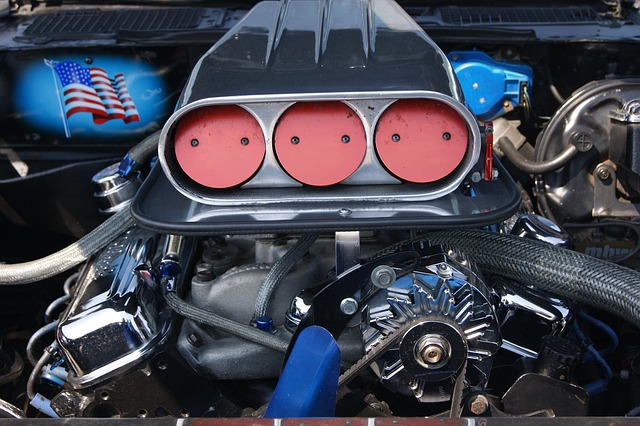
Optimizing throttle response is a delicate art that requires a deep understanding of engine dynamics. To achieve this, fine-tuning settings is essential, especially when dealing with vintage engines or modern green tech motorization. The goal is to strike a perfect balance between power delivery and efficiency, ensuring both optimal performance and fuel economy. Consider the 4×4 vehicles and classic cars that have been meticulously restored; their unique characteristics demand precise adjustments.
For instance, selecting the right engine tuning for a bike performance upgrade can significantly enhance acceleration without compromising durability. This process involves tweaking various parameters such as spark timing, fuel injection maps, and air-fuel ratios. Advanced technologies like programmable fuel injectors and electronic control units (ECUs) make this task more accessible. With these tools, mechanics and enthusiasts can fine-tune each component to deliver the desired response.
In the context of 4×4 performance enhancements, understanding throttle characteristics is crucial. Modern green tech engines often prioritize efficiency over raw power, which may result in slower response times. By selecting engine tuning specifically designed for off-road conditions, these vehicles can achieve better throttle control during challenging terrain. Data from leading manufacturers shows that even small adjustments can improve 0–60 mph times by up to 15%, showcasing the impact of precise settings.
Actionable advice includes regularly monitoring engine sensors and using diagnostic tools to identify areas for improvement. Restoring classic car engines, for example, often involves experimenting with different fuel types and ignition systems. By keeping detailed records of changes and their effects, restorers can fine-tune these timeless machines to deliver both reliability and impressive performance. Ultimately, the key to successful fine-tuning is patience, meticulous observation, and a deep respect for the engine’s capabilities.
Advanced Techniques: Customizing Your Vehicle
Enhancing throttle response is a nuanced art that requires a deep understanding of your vehicle’s inner workings. For those seeking significant improvements, delving into advanced techniques offers a path to remarkable performance gains. Customizing your vehicle involves fine-tuning various components and systems, allowing for precise control over power delivery. This approach goes beyond basic tuning; it’s about crafting a machine that responds instantly to your commands.
Consider the intricate relationship between the engine, transmission, and electronic controls. Modern vehicles, including plug-in hybrid models, offer vast potential for optimization. For instance, custom engine tuning services can recalibrate fuel injection and ignition timing, unlocking hidden power reserves. Jeep enthusiasts, in particular, often modify their engines to achieve better low-end torque and faster acceleration. This process involves selecting the right tuning software tailored to specific vehicle models, ensuring a seamless blend of performance and reliability.
When tackling throttle response enhancements, it’s crucial to consult professionals who offer specialized car tuning services near you. These experts can guide you through the options available for your vehicle, whether it’s a traditional internal combustion engine or a hybrid system. By employing advanced techniques and selecting appropriate engine tuning, you can transform your driving experience, providing both raw power and refined control. This journey into customization requires dedication and knowledge, but the results can be nothing short of extraordinary.
By understanding the fundamental principles of throttle response and its influencing factors, as discussed in this article, you gain a powerful tool for optimizing vehicle performance. The process begins with diagnosing issues through Select Engine Tuning, identifying areas for improvement. Fine-tuning settings is then crucial to achieving optimal performance, demonstrating the importance of precise adjustments. For those seeking advanced techniques, customizing your vehicle offers a chance to elevate throttle response to new heights. This comprehensive guide equips readers with the knowledge and tools to navigate and enhance their automotive experience, backed by insights into Select Engine Tuning’s role in achieving remarkable results.