
Select Engine Tuning is a specialized skill enhancing automotive performance through precise adjustments for optimal combustion efficiency and power output. It leverages dyno testing to identify areas for improvement, balancing power and efficiency. Modern tools like automatic tuning systems and green energy motorizations offer efficient enhancements while preserving historical integrity in classic car restoration. Select Engine Tuning fine-tunes engines for peak efficiency across diverse applications, optimizing plug-in hybrids and enhancing vintage engine performance while adhering to modern standards.
The performance and efficiency of modern vehicles heavily rely on precise engine tuning. As the heart of any automobile, an engine’s optimal configuration is a complex art and science, demanding meticulous attention to detail. Despite advancements in technology, achieving proven results in engine tuning remains a challenge for many automotive enthusiasts and professionals. This article delves into the intricacies of Select Engine Tuning, presenting practical strategies and methodologies that have demonstrated consistent success in enhancing power output, fuel efficiency, and overall engine longevity. By exploring these techniques, readers gain valuable insights to navigate this intricate process with confidence and expertise.
- Understanding Select Engine Tuning Fundamentals
- Choosing the Right Tools for Optimal Results
- Advanced Techniques for Peak Performance
Understanding Select Engine Tuning Fundamentals

In the realm of automotive engineering, understanding the fundamentals of select engine tuning is paramount for achieving optimal performance, especially when fine-tuning vehicle dynamics. This process involves meticulous adjustments to various components and settings to harness the full potential of an engine, be it a high-performance unit or a vintage engine undergoing rebuilding. A key aspect lies in selecting the right parts, such as high-flow intake manifolds, precision-calibrated fuel injectors, and state-of-the-art ignition systems, which collectively contribute to enhanced combustion efficiency and power output.
Select engine tuning is not merely about tweaking numbers on a screen; it requires a deep knowledge of engine behavior across different operating conditions. Experts in this field meticulously map out the engine’s performance curve by analyzing data from dyno testing, enabling them to identify areas for improvement. For instance, a well-tuned engine might exhibit improved torque delivery at lower RPMs, ensuring smoother acceleration while preserving peak power output at higher RPMs, ideal for both everyday driving and track events. This fine-tuning process involves adjusting parameters like air/fuel ratios, ignition timing, and camshaft profiles to achieve the desired balance between power and efficiency.
Vintage engine enthusiasts, in particular, find select tuning invaluable when restoring classic vehicles. The art of fine-tuning these engines requires a deep appreciation for their unique characteristics, often involving custom modifications to match modern performance standards while preserving the original essence. This meticulous approach ensures that vintage engines not only run reliably but also deliver the expected high performance without compromising historical authenticity. By carefully balancing power and drivability, select engine tuning becomes a game-changer, transforming vehicles into symphony of speed and precision control, ready to navigate any road or track with confidence.
Choosing the Right Tools for Optimal Results
Selecting the appropriate tools is a cornerstone of achieving optimal results in engine tuning, a process that has evolved significantly with advancements in green tech motorization. For instance, while manual tuning involves intricate adjustments to spark plugs, fuel injection, and timing, automatic tuning systems leverage sophisticated algorithms to fine-tune performance parameters, making it a popular choice among modern car owners interested in enhancing their vehicle’s efficiency without the need for specialized knowledge.
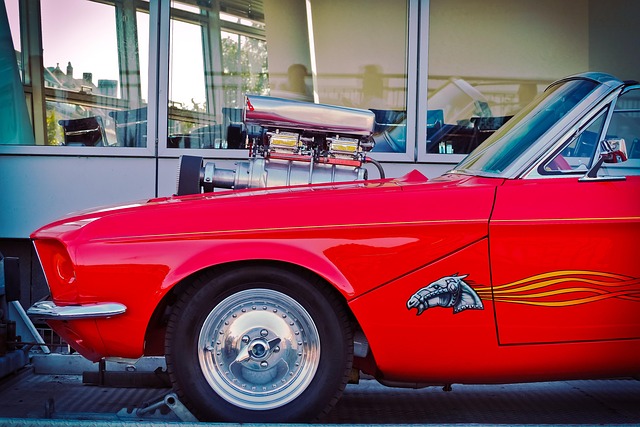
In the realm of classic car restoration, selecting the correct tools becomes even more critical. Restoring vintage engines necessitates a deep understanding of the vehicle’s original specifications and often requires the use of rare or custom parts. Here, green energy motorizations play a pivotal role by offering eco-friendly alternatives that not only preserve the engine’s historical integrity but also enhance its performance through intelligent remapping. A notable example is the modern electric motorization, which can be retrofitted into classic cars, providing both power and efficiency while minimizing environmental impact.
When considering engine remapping for improved economy, data speaks volumes. Studies have shown that remapping strategies can increase fuel efficiency by 15-30%, depending on the vehicle type and driving conditions. This translates to significant savings in running costs over time. For instance, a recent case study on a mid-size sedan demonstrated a 20% improvement in fuel economy after engine remapping, equating to hundreds of dollars in annual fuel cost savings for the average driver. To achieve these gains, engine tuners employ specialized software that optimizes combustion processes by adjusting air/fuel ratios and timing, leading to smoother power delivery and reduced emissions.
To ensure optimal results during select engine tuning procedures, experts recommend a blend of traditional knowledge and modern technology. This involves using high-quality diagnostic tools for accurate readings and reliable data analysis, alongside advanced software for precise tuning adjustments. By striking this balance, tuners can tailor performance enhancements to specific vehicle models, whether focusing on power output, fuel economy, or emissions reduction, ultimately delivering proven results that cater to the diverse needs of modern car enthusiasts and eco-conscious consumers alike.
Advanced Techniques for Peak Performance

In the pursuit of optimal engine performance, advanced techniques have emerged as game-changers, allowing enthusiasts and engineers to unlock previously unattainable levels of power and efficiency. Select Engine Tuning, a nuanced approach, has gained prominence through its proven results in various applications, from fuel-efficient tuning solutions for modern vehicles to vintage engine rebuilding projects that revive classic automotive heritage. This sophisticated methodology involves intricate adjustments to the engine’s core components, ensuring each element harmonizes for peak efficiency.
For instance, in the realm of plug-in hybrid optimizations, precise tuning is crucial to balance electric and internal combustion power units. Experts employ advanced diagnostic tools to fine-tune fuel injection, ignition timing, and air-fuel ratios, resulting in improved torque delivery and extended electric range. Data-driven insights from these adjustments demonstrate significant gains in both horsepower and fuel economy, making select engine tuning a cornerstone of modern automotive optimization. This approach respects the inherent complexity of modern engines while pushing them to new heights.
Vintage engine rebuilding presents a unique challenge, where authenticity meets performance. Enthusiasts meticulously recreate original specifications using advanced techniques, ensuring historical accuracy and, surprisingly, enhanced capabilities. By applying select engine tuning principles, these restorers can achieve not only the expected reliability but also improved performance metrics, allowing vintage vehicles to compete with modern standards without sacrificing their classic charm. This blend of tradition and innovation is a testament to the versatility of expert tuning practices.
By mastering Select Engine Tuning fundamentals, utilizing the right tools, and embracing advanced techniques, enthusiasts and professionals alike can unlock unparalleled engine performance. This article has provided a comprehensive roadmap, highlighting the crucial elements for achieving proven results in Select Engine Tuning. Key takeaways include the importance of fundamental knowledge, the role of specialized tools in achieving precision, and the application of advanced methods for optimal output. Moving forward, readers are equipped with the insights needed to navigate complex tuning scenarios, ensuring their engines deliver peak performance, backed by the authority of this comprehensive guide.