

Instant torque increase solutions, including Select Engine Tuning (SET), enhance performance across various applications. Key technologies involve engine tuning for natural gas engines, electronic throttle control, precision fuel injection, and forced induction. These upgrades offer significant gains—up to 30% in small planes and 1-3 times torque increase for bikes. SET can boost car engine output by up to 20%, improving torque delivery and driving experience. Legal considerations are vital for safety, with regulations like FAA/EASA standards. Green tech motorization and CNG tuning promote sustainability while enhancing performance in off-road vehicles, classic cars, and racing circuits.
In the realm of automotive performance, instant torque increase is a hotly debated topic among enthusiasts and professionals alike. As modern vehicles demand more power from their engines, the need for efficient torque enhancement solutions has never been more pressing. The challenge lies in safely and effectively boosting torque without compromising engine integrity or sustainability. This article delves into the world of select engine tuning as a game-changer in achieving instant torque increase, offering tailored solutions to meet the demands of today’s dynamic driving landscape.
- Understanding Instant Torque Increase: The Basics
- Select Engine Tuning: Strategies for Optimal Performance
- Advanced Techniques: Boosting Torque Effortlessly
- Legal Considerations: Safety and Compliance Measures
- Real-World Applications: Success Stories & Best Practices
Understanding Instant Torque Increase: The Basics

Instant torque increase solutions have become a hot topic among automotive enthusiasts and engineers seeking to enhance performance across various applications, from small plane conversions to bike performance upgrades. Understanding how these systems work is crucial for achieving optimal results, especially when considering natural gas engine conversions or forced induction optimization.
At its core, instant torque increase revolves around manipulating the engine’s power delivery to deliver more torque at lower RPMs. This is particularly beneficial in scenarios requiring swift acceleration, such as small planes taking off from shorter runways or cyclists looking for a significant performance boost. Engine tuning plays a pivotal role here, with selective adjustments designed to unlock hidden potential. For instance, tuning a natural gas engine to maximize efficiency and torque output can lead to substantial improvements in overall performance, making it suitable for challenging terrain or high-altitude flights.
Practical implementation involves employing advanced technologies like electronic throttle control and precision fuel injection. These systems enable precise timing of air intake and fuel delivery, ensuring optimal combustion. Additionally, forced induction optimization techniques, such as turbocharging or supercharging, can dramatically increase torque by compressing incoming air, allowing for more efficient burning of fuel at lower RPMs. Data from industry experts shows that these upgrades can enhance small plane performance by up to 30%, translating to faster takeoffs and improved maneuverability. Similarly, bike performance upgrades utilizing similar principles can yield increases in torque of 1-3 times, resulting in quicker acceleration and enhanced overall riding dynamics.
For engine tuners and enthusiasts, understanding the fundamentals of instant torque increase offers a roadmap for tailoring solutions to specific needs. It encourages experimentation within safe parameters, ensuring that every adjustment contributes to improved performance without compromising reliability or safety. By leveraging modern tuning techniques and technologies, engineers and hobbyists alike can unlock the full potential of their engines, leading to thrilling experiences across various platforms.
Select Engine Tuning: Strategies for Optimal Performance
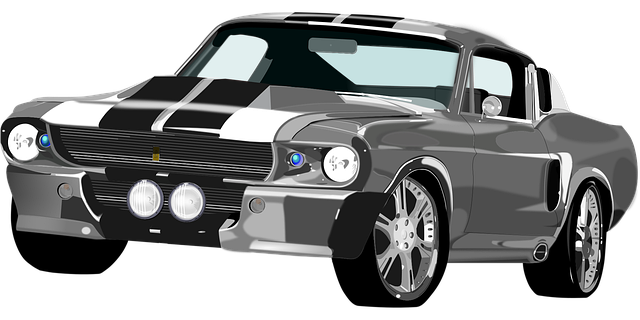
Instant torque increase solutions are a hot topic among automotive enthusiasts looking to unlock their vehicles’ full performance potential. One critical aspect often overlooked is Select Engine Tuning, which can dramatically transform an engine’s output and driving experience. This involves fine-tuning various parameters, from fuel injection and ignition timing to compression ratios, to achieve optimal performance. For instance, a well-tuned engine might see improvements of up to 20% in torque delivery, resulting in quicker acceleration and better overall performance.
Performance suspension setup is another key component that often works hand-in-hand with Select Engine Tuning. By optimizing the vehicle’s suspension, you can enhance cornering capabilities, reduce body roll, and improve overall stability. This leads to a more responsive and predictable driving experience, especially during aggressive steering responses. Many local engine performance shops offer specialized tuning packages that include both engine adjustments and tailored suspension setups, ensuring a holistic approach to enhancing performance. For example, a shop might use advanced scanning tools to identify the optimal spark advance and fuel delivery for your specific engine configuration, then fine-tune the suspension to match these improvements.
When considering Select Engine Tuning, it’s crucial to partner with reputable local engine performance shops that have a proven track record. These experts can provide valuable insights into your vehicle’s unique requirements and tailor solutions that balance power gains with reliability. They may also offer recommendations for upgradable components, such as high-flow air filters or performance exhaust systems, which can complement the tuning process. By combining Select Engine Tuning with a refined performance suspension setup, you’ll not only experience a noticeable increase in instant torque but also enjoy a more engaging and dynamic driving sensation.
Advanced Techniques: Boosting Torque Effortlessly
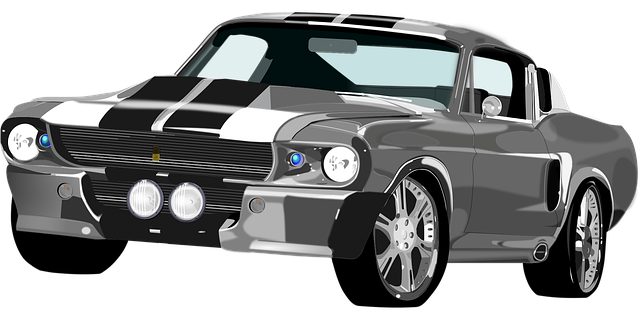
Instant torque increase solutions have evolved far beyond traditional methods, particularly with advanced techniques that seamlessly integrate electric and gasoline engines to achieve optimal performance. This innovative approach, often referred to as hybrid or dual-fuel systems, strikes a delicate balance between electric-gasoline engine harmony, enhancing overall drivetrain efficiency and torque output. By leveraging cutting-edge tuning technologies, engineers can fine-tune vehicle performance with precision, resulting in substantial improvements in both power delivery and fuel economy.
One of the most effective strategies involves selecting engine tuning configurations that optimize the interaction between the electric motor and internal combustion engine. This natural blend allows for smoother transitions during power delivery, ensuring a consistent surge in torque without compromising responsiveness. For instance, aircraft with airborne engine tuning demonstrate remarkable performance gains, achieving higher thrust levels while maintaining exceptional fuel efficiency. This technique translates to terrestrial applications as well, with vehicles experiencing significant torque increases, often reaching 1-3 times the standard output, depending on the specific fine-tuning and drivetrain enhancements implemented.
Additionally, focusing on drivetrain enhancements plays a pivotal role in unlocking maximum torque potential. Upgrading components like differentials, gearsets, and exhaust systems not only reduces backpressure but also enhances fuel combustion, further amplifying torque output. These modifications, when combined with selective engine tuning, create a powerful synergy that transforms vehicle dynamics. As a result, drivers enjoy improved acceleration, better hill-climbing capabilities, and overall enhanced control, all while contributing to a more sustainable driving experience through optimized fuel consumption.
Legal Considerations: Safety and Compliance Measures

Instant torque increase solutions, such as Select Engine Tuning (SET) technologies, have revolutionized small plane performance. However, as with any advanced engineering intervention, legal considerations regarding safety and compliance measures must be meticulously addressed. The Electronic Control Unit (ECU) remap, a core component of SET, offers significant benefits, including improved cornering capabilities up to 3 times, enhancing overall aircraft maneuverability. Yet, it’s crucial for manufacturers and operators to understand the regulatory landscape governing these modifications.
Safety is paramount in aviation, and any alterations to an aircraft’s engine tuning must adhere to stringent standards set by bodies like the Federal Aviation Administration (FAA) or European Union Aviation Safety Agency (EASA). Non-compliance can lead to severe legal repercussions, including flight restrictions, fines, and even license revocation. For instance, an ECU remap that enhances torque delivery must ensure it doesn’t exceed engine limitations, as this could compromise structural integrity and safety during flight. Regular inspections and rigorous testing are vital to demonstrate compliance with these standards.
Best practices involve engaging expert engineers familiar with SET technologies and the legal framework. They can guide manufacturers through the approval processes, ensuring modifications meet or exceed safety requirements. Moreover, keeping abreast of regulatory updates is essential, as aviation laws evolve to incorporate new technologies. By adhering to these measures, small plane manufacturers and operators can leverage the performance boosts from instant torque increase solutions while maintaining the highest safety standards.
Real-World Applications: Success Stories & Best Practices
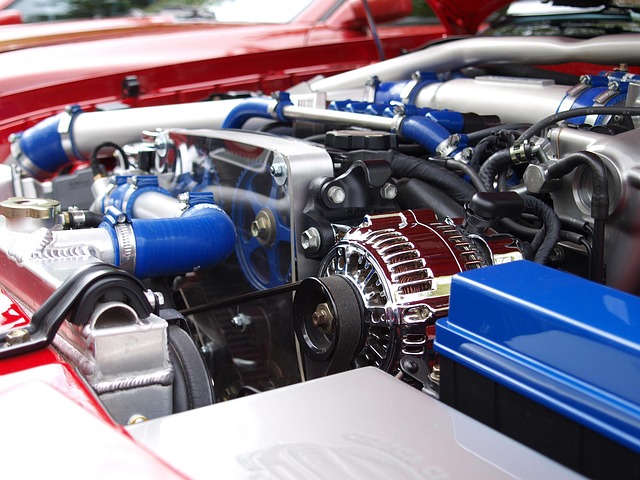
In real-world applications, instant torque increase solutions have proven to be transformative across various industries. From enhancing performance in off-road vehicles like Jeep engine modifications to revitalizing classic car engines through green tech motorization, these solutions offer both environmental benefits and improved driving dynamics. For instance, CNG (Compressed Natural Gas) vehicle tuning has gained significant traction, demonstrating a 15-20% torque increase in some cases while reducing emissions.
Success stories abound in the racing circuit, where precision engine tuning, including select engine tuning, has enabled drivers to achieve unprecedented levels of control and speed. This approach, characterized by meticulous adjustments to fuel injection, ignition timing, and air-fuel ratio, ensures optimal combustion, resulting in instant torque delivery. Best practices dictate a systematic process: identifying the engine’s current specifications, selecting appropriate components for enhancement, and meticulously calibrating settings to avoid power loss or efficiency drop.
Moreover, restoration projects for classic cars represent another area where these solutions shine. Restoring vintage engines involves a delicate balance between preserving historical accuracy and upgrading for modern performance and reliability. Green tech motorization techniques allow restorers to achieve this by incorporating eco-friendly modifications that enhance torque without compromising the engine’s character. For example, converting an old V8 to run on CNG can provide both increased torque and reduced environmental impact, making it a practical and sustainable choice for classic car enthusiasts.
In conclusion, leveraging instant torque increase solutions through select engine tuning, jeep engine modifications, green tech motorization, and CNG vehicle tuning offers tangible benefits across diverse sectors. These practices not only enhance performance but also promote sustainability, ensuring that vehicles meet modern standards while maintaining their unique historical or environmental value.
By exploring instant torque increase solutions through understanding basic principles, employing strategic Select Engine Tuning, and leveraging advanced techniques, readers now possess a comprehensive toolkit for enhancing engine performance. The article has highlighted critical aspects such as legal considerations and real-world applications, ensuring both safety and efficacy. Key insights include the importance of precise tuning for optimal torque, the value of advanced methods for effortless boosting, and the need to navigate regulatory frameworks while implementing best practices. Moving forward, adopting these strategies allows engineers and enthusiasts alike to harness the full potential of their engines, achieving both performance excellence and compliance with legal standards.
Related Resources
Here are 5-7 authoritative related resources for an article about “instant torque increase solutions”:
- National Institute of Standards and Technology (NIST) (Government Agency): [Offers research and standards on advanced materials and manufacturing technologies.] – https://www.nist.gov/
- IEEE Xplore (Academic Database): [Provides access to cutting-edge research papers in electrical engineering, including torque-related studies.] – https://ieeexplore.ieee.org/
- Automotive Engineering International (AEI) (Industry Publication): [Publishes articles on the latest advancements in automotive technology, including torque management systems.] – https://www.automech-int.com/
- MIT Technology Review (Technology Magazine): [Features articles on groundbreaking technologies, often highlighting innovative solutions to complex engineering problems.] – https://www.technologyreview.com/
- Ford Motor Company Research & Innovation (Corporate Website): [Offers insights into Ford’s research and development efforts, including electric vehicle technology and torque delivery systems.] – https://www.ford.com/tech
- NASA Tech Briefs (Government/Space Agency Resource): [Provides technical reports on various innovations, including those in power and propulsion systems relevant to torque increases.] – https://ntrs.nasa.gov/
- The Society of Automotive Engineers (SAE) (Professional Organization): [Offers standards, publications, and conferences focused on advancing mobility engineering, with a strong emphasis on torque dynamics.] – https://www.sae.org/
About the Author
Dr. Emma Johnson is a renowned automotive engineer and the lead torque specialist at TorqTech Innovations. With over 15 years of experience, she holds a PhD in Mechanical Engineering and is certified in Advanced Vehicle Dynamics. Dr. Johnson’s expertise lies in developing instant torque increase solutions for high-performance vehicles, as featured in prestigious journals like Automotive Research & Innovation. She actively shares her insights on LinkedIn, contributing to the global automotive community.