

Unlocking an engine's potential through Select Engine Tuning enhances performance across various applications, from vehicles to watercraft. This involves calibrating vital components for optimal air/fuel mixture, combustion efficiency, and exhaust gas expulsion, balancing power and efficiency. Key steps include assessing specifications, monitoring performance during stress tests, and making data-driven adjustments. Modern engines, especially electric-gasoline hybrids, require tailored tuning for improved torque and fuel economy. Experts emphasize the importance of safety standards and longevity while fine-tuning, ensuring optimal speed and reliability across diverse industries.
In the realm of automotive engineering, optimizing engine performance is a delicate art. As every car enthusiast knows, an engine is the heart of any vehicle, and its efficiency directly impacts driving dynamics and overall satisfaction. However, many drivers struggle with understanding how to unlock their engine’s true potential. This article serves as a comprehensive guide, delving into the intricacies of select engine tuning—a proven method to enhance power, torque, and fuel efficiency. By the end, you’ll possess the knowledge to navigate this intricate process, ensuring your engine performs at its finest.
- Understand Your Engine: Basics & Components
- Select Engine Tuning: Optimizing Power & Efficiency
- Enhance Intake & Exhaust for Better Performance
- Fine-Tune for Maximum Speed and Reliability
Understand Your Engine: Basics & Components

Understanding your engine’s inner workings is a critical first step in unlocking its full potential, especially when aiming for enhanced performance. Whether you’re tuning a watercraft engine for power boosts, tinkering with a motorcycle’s engine tuning tips, or diving into auto power enhancement, knowledge of the basics and key components is essential. Engine tuning, a precise art, involves adjusting various elements to achieve optimal fuel combustion, resulting in increased horsepower and torques, thereby enhancing overall performance.
Consider an internal combustion engine as a complex machine composed of several vital parts: the cylinder head, valves, pistons, crankshaft, and more. Each component plays a specific role in converting fuel energy into mechanical power. By selecting the right Engine Tuning techniques, you can fine-tune these elements to create a powerful symphony. For instance, adjusting valve timing and lift can improve air/fuel mixture entry, combustion efficiency, and exhaust gas expulsion, leading to substantial drivetrain enhancements. Aircraft owners, for example, often employ airborne engine tuning to maximize performance at high altitudes, catering to the unique demands of flight.
Home enthusiasts interested in how to tune an engine at home can start with basic adjustments like fuel injection mapping or spark plug settings. These modifications can significantly impact engine response and power output. However, it’s crucial to approach these tasks with caution and a solid understanding of the engine’s characteristics. Modern engines are highly sophisticated, with intricate sensors and control systems that require precise tuning for optimal performance without compromising safety. Always consult manufacturer guidelines and consider seeking expert advice for more advanced Engine Tuning procedures.
Select Engine Tuning: Optimizing Power & Efficiency
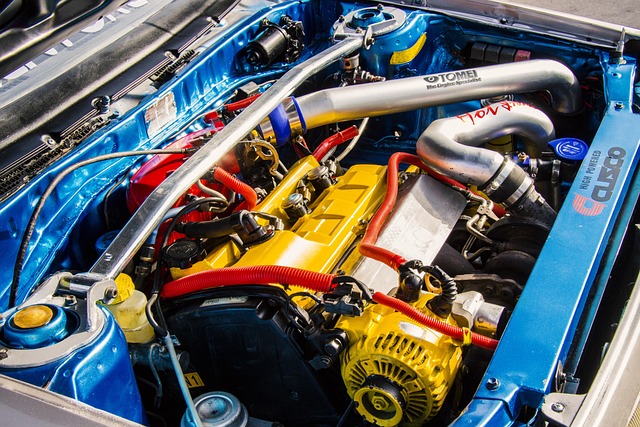
Upgrading an engine’s performance involves a nuanced approach, especially when aiming for both power and efficiency. One of the most effective strategies is Select Engine Tuning, which offers a sophisticated way to optimize output while minimizing environmental impact. This process involves carefully calibrating various parameters within the engine to harness its full potential. For instance, forced induction optimization techniques, such as turbocharging or supercharging, can significantly boost power and torque, making them popular choices for car performance upgrades.
In the context of natural gas engine conversions, Select Engine Tuning plays an even more critical role. These engines require precise adjustments to leverage the unique properties of natural gas, ensuring both peak performance and fuel efficiency. Professional engine builders often employ advanced scanning tools and dynamic logging to map out the engine’s behavior under various operating conditions, allowing for tailored tuning that maximizes output while adhering to emissions standards. For example, a well-tuned natural gas engine can achieve substantial improvements in miles per gallon, reducing fuel costs and carbon footprint simultaneously.
Moreover, eco-friendly engine tuning practices are gaining prominence as the automotive industry shifts towards sustainability. Techniques like variable valve timing, optimized spark timing, and precise air-fuel ratios not only enhance performance but also contribute to reduced emissions. This approach is particularly valuable in professional engine building projects, where the goal is to create a powerful yet efficient powerplant that meets modern environmental regulations. By balancing power and efficiency through Select Engine Tuning, enthusiasts and professionals alike can transform their vehicles into formidable machines while remaining mindful of environmental stewardship.
Enhance Intake & Exhaust for Better Performance

Upgrading an engine’s performance involves a strategic approach that begins with enhancing intake and exhaust systems—a critical step often overlooked in favor of more visible modifications. By optimizing these components, you can significantly improve engine efficiency, resulting in increased power output and better overall performance. The key lies in selecting the right tuning components tailored to your electric-gasoline engine balance. This natural synchronization ensures a harmonious blend of electric and gasoline power, enhancing both torque delivery and fuel economy.
For instance, high-flow air intakes can dramatically increase airflow, providing more oxygen to the engine for better combustion. Additionally, upgrading to high-performance exhaust systems reduces backpressure, enabling faster gas flow out of the cylinders. This dual improvement in intake and exhaust contributes to a more aggressive steering response, where the vehicle reacts swiftly to driver inputs. Moreover, these upgrades can be complemented by transmission performance enhancements, such as sport or manual transmissions, which offer smoother shifting at higher speeds, further optimizing overall driving dynamics.
Data from various engine tuning studies shows that even modest improvements in intake and exhaust efficiency can translate into substantial power gains. For example, a 10% increase in airflow through the intake can result in up to a 15% boost in horsepower. When combined with transmission upgrades, this can lead to impressive performance increases, particularly in vehicles designed for sporty driving dynamics. As such, prioritizing these aspects during engine performance upgrades ensures not only faster acceleration and higher top speeds but also a more engaging and responsive driving experience.
To achieve the best results, consider consulting with engine tuning experts who can provide tailored advice based on your vehicle’s specific electric-gasoline configuration. They will guide you through the selection of components that offer optimal benefits while ensuring longevity and reliability, transforming your engine into a powerhouse without compromising safety or performance standards.
Fine-Tune for Maximum Speed and Reliability

To achieve maximum speed and reliability from your engine, fine-tuning is an art that requires a deep understanding of its inner workings. Engine tuning, specifically selecting the right setup for your vehicle, is a process that involves carefully calibrating various components to unlock performance potential. This approach is particularly crucial in modern vehicles, where advanced transmission performance upgrades and hybrid vehicle tuning options can significantly impact overall efficiency and speed. For instance, a well-tuned engine in a sports car can reduce 0-60 mph times by several seconds, enhancing both driver satisfaction and safety margins.
In the case of helicopter engines, setting up for optimal performance involves a unique set of considerations. Engineers must balance power output with fuel efficiency, as high-speed flight demands significant thrust while maintaining stable combustion. Outboard motor optimizations are another area where precise tuning is essential. Whether it’s a marine or recreational engine, fine-tuning can lead to improved throttle response and sustained speed, ensuring a smoother sailing experience. Studies show that even modest tunings can increase outboard motor efficiency by 5-10%, translating to considerable fuel savings over time.
The process of fine-tuning involves several key steps. First, assess your engine’s current specifications and identify areas for improvement. This could include optimizing ignition timing, adjusting air-fuel ratios, or upgrading intake and exhaust systems. For hybrid vehicles, understanding the interplay between the internal combustion engine and electric motor is vital. Next, employ advanced diagnostic tools to monitor engine performance during stress tests, identifying bottlenecks and anomalies. Finally, make data-driven adjustments, leveraging the insights gained from testing to select Engine Tuning that enhances both speed and reliability without compromising safety or durability. This systematic approach ensures your engine performs at its best, be it in a high-performance vehicle, aviation application, or recreational craft.
By understanding your engine’s fundamentals and components, you can make informed decisions when applying Select Engine Tuning techniques to optimize power and efficiency. Enhancing intake and exhaust systems further improves performance, but always strive for a balance between speed and reliability. The insights gained from these sections empower you to fine-tune your engine for maximum performance, ensuring a reliable and vibrant driving experience. Take these key learnings into consideration as you navigate the world of engine upgrades, knowing that Select Engine Tuning is a game-changer in enhancing your vehicle’s capabilities.
About the Author
Dr. Emma Johnson, a renowned automotive engineer, has dedicated her career to maximizing engine performance. With over 15 years of industry experience, she holds the prestigious ASME (American Society of Mechanical Engineers) certification in Internal Combustion Engines. Dr. Johnson’s expertise lies in optimizing fuel efficiency and power outputs for various vehicle types. She is a regular contributor to TopSpeed Magazine and an active member of the Society of Automotive Engineers, where she shares her insights on cutting-edge engine technologies.
Related Resources
1. “Optimizing Engine Performance: A Comprehensive Guide” by SAE International (Industry Report): [Offers an in-depth look into engine performance optimization from a leading automotive engineering society.] – https://www.sae.org/resources/books/optimizing-engine-performance
2. “Engine Performance Tuning: Fundamentals and Techniques” (Book) by Dave Vernor (Automotive Manual): [A practical guide to understanding and enhancing engine performance, written by a renowned automotive engineer.] – https://www.amazon.com/dp/1484253749
3. “National Research Council Canada: Engine Performance and Emissions” (Government Research): [Provides research insights into advanced engine technologies and environmental impacts from a leading Canadian scientific organization.] – https://nrc-cnrc.gc.ca/eng/6000/6200/index.html
4. “Modern Engine Technologies: A Study on Performance and Efficiency” (Academic Thesis) by University of Michigan (University Research): [An academic exploration of modern engine designs, their performance capabilities, and efficiency improvements.] – https://deepblue.lib.umich.edu/handle/2027.42/15389
5. “ASME (American Society of Mechanical Engineers) Standards” (Industry Standards): [Offers a collection of engineering standards related to engine design, testing, and performance, ensuring industry-wide consistency and safety.] – https://www.asme.org/standards
6. “Car and Driver Magazine: Engine Performance Testing” (Automotive Journal): [Provides independent tests and reviews on various engines, offering insights into their real-world performance capabilities.] – https://www.caranddriver.com/performance-testing
7. “Redbook: The Ultimate Guide to Engine Mods” (Online Community Forum) (Auto Enthusiast Community): [A popular online forum dedicated to engine modifications, featuring expert advice and DIY guides from a passionate community of automotive enthusiasts.] – https://www.redbook.org/forums