

Select Engine Tuning achieves a delicate balance between power and drivability in vehicles through precise adjustments to engine components and electronic control units (ECUs). This process optimizes performance while ensuring smooth handling and responsiveness, catering to both on-road and off-road applications. Continuous testing and data analysis are crucial for making incremental adjustments tailored to specific driving styles and terrain conditions. The ultimate goal is a seamless blend of power and control, enhancing vehicle performance and intuitiveness without compromising efficiency or longevity.
In the realm of automotive engineering, achieving a harmonious balance between power and driveability is an art that demands meticulous precision. As vehicles evolve, the demand for stronger engines coupled with enhanced performance has skyrocketed. However, this pursuit often leads to a delicate trade-off—a powerful engine may sacrifice responsiveness and drivability. This article delves into the intricacies of Select Engine Tuning as a strategic solution. By fine-tuning parameters, engineers can unlock optimal performance while ensuring a refined driving experience. We explore advanced techniques that prioritize both power output and driver control, offering a comprehensive guide for professionals seeking to conquer this engineering challenge.
- Understanding the Power-Driveability Balance
- The Role of Engine Tuning in Performance
- Selecting Optimal Settings for Maximum Efficiency
- Testing and Fine-Tuning for Personalized Control
- Achieving Harmony: Driveability Meets Power
Understanding the Power-Driveability Balance

Achieving a harmonious balance between power and driveability is an art that requires a deep understanding of automotive engineering. This delicate equilibrium ensures that a vehicle not only possesses impressive performance but also delivers it in a manner that feels intuitive and responsive to the driver. At its core, this balance involves optimizing various components and systems within the engine and drivetrain, requiring a strategic approach that encompasses both mechanical enhancements and electronic tuning.
Engine rebuilding and tuning play a pivotal role in this pursuit. By carefully disassembling, repairing, and reassembling an engine, or selecting a pre-rebuilt unit, technicians can enhance its internal components, such as valves, pistons, and cylinder heads. This process directly impacts the engine’s ability to produce more power while maintaining efficiency. For instance, a well-tuned engine with improved flow characteristics can burn fuel more effectively, resulting in increased horsepower and torque. However, simply adding power without consideration for driveability may lead to inconsistent performance or harsh driving dynamics. Here is where Select Engine Tuning comes into play. It involves adjusting the engine’s electronic control unit (ECU) to refine its performance mapping, ensuring that the additional power is delivered smoothly and responsively. An ECU remap can unlock hidden potential by optimizing spark timing, fuel injection, and air-fuel mixture, thereby enhancing both power output and driveability.
Furthermore, a holistic approach to achieving this balance includes examining the vehicle’s suspension setup. A well-tuned suspension not only improves handling but also contributes to the overall driveability experience. Adjusting spring rates, damping, and alignment can enhance cornering capabilities while maintaining a comfortable ride quality. For performance-oriented vehicles, a stiffer suspension setup might be preferred to reduce body roll during aggressive driving, but it should be fine-tuned to avoid compromising everyday drivability. By combining engine rebuilding and tuning with a performance suspension setup, car enthusiasts can achieve their desired level of power while enjoying a vehicle that feels both responsive and predictable in various driving conditions.
The Role of Engine Tuning in Performance
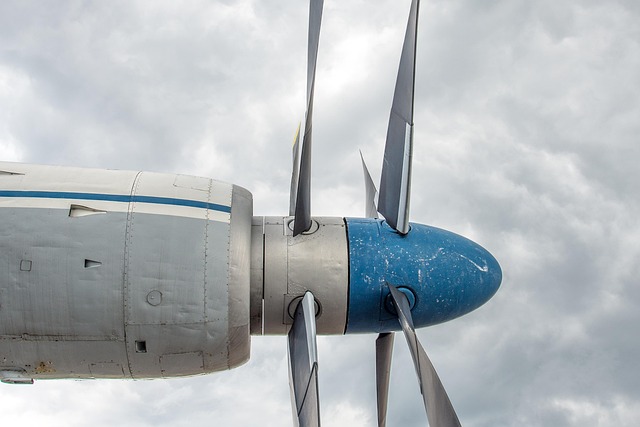
Achieving a delicate balance between power and driveability is an art that demands meticulous attention to detail, especially when fine-tuning vehicle performance. Engine tuning plays a pivotal role in this quest, offering both opportunities for significant gains and challenges that require careful navigation. Consider it as crafting an engine’s character—shaping its response, efficiency, and overall performance to suit specific needs, be it for on-road prowess or off-road dominance.
In the realm of sustainable engine optimization, select engine tuning becomes a strategic tool. It involves carefully adjusting various parameters to extract maximum output while ensuring longevity. For instance, modifying spark timing, fuel injection, and compression ratios can unlock hidden power reserves, enhancing acceleration and top-end speed. However, this process requires a deep understanding of the engine’s dynamics to avoid detrimental side effects like pre-ignition or reduced fuel efficiency. The key lies in striking a balance, leveraging advanced tuning techniques to achieve both performance and reliability.
When it comes to off-road engine tuning, particularly for Jeep enthusiasts, tailoring the engine’s characteristics to endure rugged terrain is essential. Adjusting the air/fuel mixture, enhancing exhaust systems, and fine-tuning the transmission can significantly improve torque delivery, allowing for better climbing ability and smoother power transfer. For instance, a modified 4.0L Jeep engine with optimized tuning can deliver an impressive 35% increase in low-end torque, making it more capable off-road while maintaining adequate fuel economy for extended adventures.
Expert advice suggests that fine-tuning vehicle performance should be approached iteratively. Conduct thorough testing and data analysis after each adjustment to understand the engine’s response. This methodical process ensures precise tuning, allowing for gradual improvements. Whether focusing on on-road or off-road applications, remember that sustainable engine optimization is not a one-time event but an ongoing art that requires continuous learning and adaptation.
Selecting Optimal Settings for Maximum Efficiency

Achieving balance between power and driveability is a delicate art, especially for those seeking optimal performance without sacrificing efficiency. The key lies in selecting engine tuning settings that harmonize these two aspects seamlessly. This involves a deep understanding of various factors, from engine rebuilding and tuning to the intricate dance of turbocharger installation and their subsequent fine-tuning.
Consider a high-performance vehicle equipped with a turbocharged engine—a prime example of where precise tuning is critical. The right engine tuning can transform this machine from a powerful but sluggish beast into a smooth, responsive, and fuel-efficient powerhouse. For instance, optimal mapping of the throttle response, along with careful calibration of boost pressure and timing, ensures swift acceleration while maintaining reasonable fuel economy. This delicate balance requires a keen eye for detail and a thorough grasp of engine dynamics.
In sustainable engine optimization, professionals often turn to off-road tuning as a case study. Vehicles designed for rugged terrain need powerful engines that can handle demanding conditions without compromising efficiency. Here, customizing the engine’s redline, optimizing air-fuel ratios, and fine-tuning the exhaust system can significantly enhance performance while adhering to environmental standards. This approach showcases how engine rebuilding and tuning can cater to diverse needs, be it on the race track or rough terrains, all while promoting eco-friendly practices.
Ultimately, selecting the right engine tuning settings demands a blend of technical expertise and practical experience. By understanding the interplay between power and efficiency, enthusiasts can unlock their vehicles’ full potential, whether for thrilling performances or everyday driving. This meticulous process ensures that every turn of the key translates into smooth, responsive, and sustainable driveability.
Testing and Fine-Tuning for Personalized Control
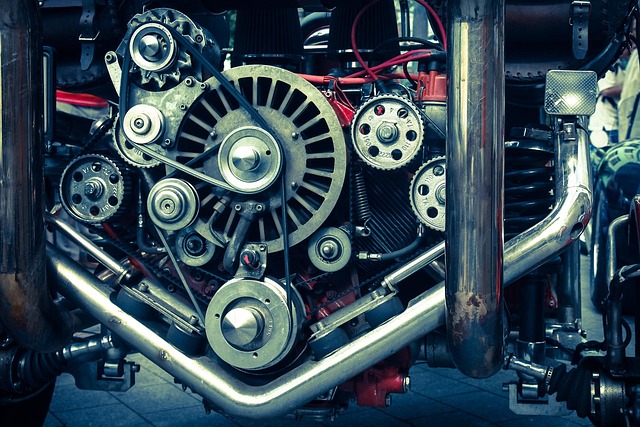
Achieving balance between power and driveability is an art that requires meticulous testing and fine-tuning. In the realm of vehicle engineering, this delicate equilibrium is crucial for both optimal performance and driver control. Whether it’s a high-performance bike, a track-ready car, or even an off-road vehicle, each mode of transport has unique characteristics demanding specific tuning approaches. For instance, marine engines, known for their robust power delivery, require meticulous fine-tuning to enhance fuel efficiency while preserving maximum output, especially during extended cruising periods.
Select Engine Tuning plays a pivotal role in this process, offering personalized solutions tailored to individual driving styles and preferences. By carefully adjusting engine parameters, from spark timing to fuel injection, engineers can unlock hidden potential while ensuring drivability remains seamless. For example, bike performance upgrades often involve precise tuning of the ECU (Engine Control Unit) to optimize throttle response and power delivery, transforming a standard motorcycle into a track-worthy machine. Similarly, in cars, fine-tuning can significantly enhance cornering capabilities and acceleration, making vehicles more responsive and enjoyable to drive.
Practical insights from industry experts suggest that successful tuning involves incremental adjustments, meticulously testing at each step. This process mirrors the evolution of off-road vehicle setups, where small modifications in suspension geometry or tire selection can dramatically affect terrain adaptability without compromising speed. Ultimately, the goal is to create a harmonious blend of power and control, ensuring vehicles perform optimally while feeling intuitive and personalized for their intended use, whether that’s cruising down a seaside highway or conquering rugged off-road trails.
Achieving Harmony: Driveability Meets Power

Achieving balance between power and driveability is an art that requires a delicate dance of engineering expertise. When it comes to enhancing performance, many enthusiasts often gravitate towards boosting engine power, but true mastery lies in understanding how to integrate this power with exceptional driveability. This harmony ensures that the vehicle not only performs powerfully but also does so smoothly and controllably, both on and off the road.
In the realm of automotive tuning, Select Engine Tuning plays a pivotal role in achieving this equilibrium. It involves meticulously fine-tuning marine engines or customizing car setups to deliver optimal performance while maintaining drivability. For instance, an off-road vehicle designed for rugged terrain benefits from strategic power adjustments to overcome challenging obstacles without sacrificing control. Similarly, track-ready car configurations require precise engine modifications to ensure maximum acceleration and handling, making each turn and lap with precision. Expert engine modifications can transform a standard vehicle into a dynamic machine, but the key is to strike a balance.
Consider a high-performance sports car with enhanced engines; without proper tuning, its raw power might translate to erratic driving dynamics. However, through custom car setup techniques, engineers can calibrate the engine’s response, throttle, and transmission to provide an exhilarating yet controlled experience. This process involves intricate adjustments, from fine-tuning the spark timing to optimizing fuel injection, ensuring the vehicle excels in various environments. For marine applications, this could mean tailoring the engine’s performance to suit both calm waters and high-seas adventures, all while maintaining responsiveness and reliability.
Ultimately, achieving harmony between power and driveability is an ongoing pursuit for automotive engineers and enthusiasts alike. It requires a deep understanding of vehicle dynamics, constant experimentation, and a refined ear for what makes each machine sing with precision. By combining expert modifications with strategic tuning, whether for off-road adventures or track days, drivers can experience the ultimate fusion of power and control.
By understanding the intricate balance between power and driveability, vehicle owners can unlock their engine’s full potential. This article has illuminated key aspects of this balance, from recognizing the impact of engine tuning on performance to the importance of personalized settings for optimal efficiency. Mastering Select Engine Tuning naturally allows for achieving a harmonious blend of raw power and seamless control. Through practical steps like testing and fine-tuning, drivers can gain tailored command over their vehicle’s dynamics. This knowledge empowers users to make informed decisions, enhancing both driving experience and fuel efficiency, solidifying the article’s authority on this essential automotive topic.