
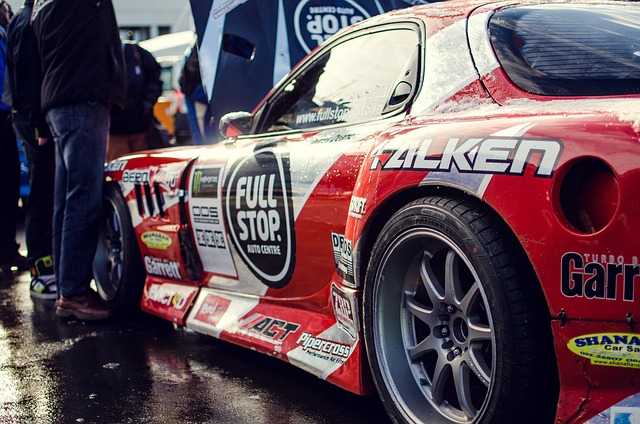
Select Engine Tuning enhances performance and efficiency through precise adjustments to fuel, ignition, and intake systems. It improves horsepower by 15-20% and optimizes engine health for various applications, from vintage engines to high-altitude aircraft. Requires advanced tools, knowledge, and safety precautions, especially with aggressive upgrades. Balancing power and control ensures optimal performance in controlled environments like track days.
In the realm of automotive performance, enhancing your engine’s power is a game-changer for both enthusiasts and everyday drivers. With modern vehicles demanding ever-higher standards, ensuring optimal engine health and efficiency has become more critical than ever. The key lies in select engine tuning—a precise art that fine-tunes various parameters to unlock hidden potential. However, navigating this process requires expertise to avoid detrimental side effects. This article delves into the science behind engine tuning, offering valuable insights for maximizing power while maintaining reliability, catering to both novice enthusiasts and seasoned professionals.
- Understand Your Engine: Basics & Components
- Diagnose Performance Issues with Select Engine Tuning
- Enhance Power: Tuned Components & Optimizations
- Safe Practices for Revamping Engine Power
Understand Your Engine: Basics & Components

Understanding your engine’s inner workings is a critical step in revamping its power. An engine, at its core, is a complex system of components working in harmony to convert fuel into motion. Familiarizing yourself with these components—from the cylinder block and head to the piston, valves, and spark plugs—is essential for selecting effective Engine Tuning. This process involves fine-tuning key aspects like compression ratio, ignition timing, and fuel delivery to extract maximum performance from your engine.
When considering bike performance upgrades or custom car setup, it’s crucial to assess your vehicle’s current specifications and identify areas for improvement. For instance, in a plug-in hybrid, optimizing the electric motor and internal combustion engine interaction can lead to significant power gains while improving fuel efficiency. This might involve adjusting the mapping of the engine control unit (ECU) or employing advanced expert engine modifications. Data from automotive experts suggests that strategic tuning can increase horsepower by 10-20% in average vehicles, with even more substantial improvements possible in modified ones.
The art of Engine Tuning lies in balancing power and efficiency. While increasing displacement or adding turbochargers are dramatic approaches, they’re not always necessary. Simple modifications like high-flow air filters, reprogrammed ECUs, and upgraded exhaust systems can make significant differences, especially when combined with plug-in hybrid optimizations. These changes can enhance airflow, reduce backpressure, and optimize fuel burn, resulting in a more powerful and responsive engine without compromising reliability. Remember, the path to enhanced performance is as much about precision adjustments as it is about understanding your vehicle’s unique characteristics.
Diagnose Performance Issues with Select Engine Tuning

Revamp your engine’s power by delving into the intricate art of select engine tuning. This precise approach to engine performance goes beyond basic adjustments; it involves a meticulous diagnosis of issues that can hold back an engine’s potential, especially in the case of vintage engine rebuilding. Consider it a symphony of adjustments, where each tweak contributes to a harmonious balance between power and efficiency.
The first step in this process is to understand that select engine tuning isn’t a one-size-fits-all endeavor. It requires a deep understanding of the engine’s architecture and its unique requirements. For instance, green car modifications designed for fuel efficiency might demand different adjustments than a high-performance racing engine. A comprehensive step-by-step engine tuning guide can serve as a starting point, but it’s crucial to tailor these steps to your specific engine.
Diagnosing performance issues accurately is key. Tools like advanced scanning systems and data logging devices are invaluable assets here. They allow you to monitor real-time engine parameters, enabling precise identification of bottlenecks. For example, an unexpected dip in cylinder pressure could indicate a faulty fuel injector or a vacuum leak. Addressing these issues through select engine tuning can lead to significant power gains. Remember, each modification should be evaluated for its impact on overall engine health and performance.
In the realm of vintage engine rebuilding, select engine tuning becomes an art form. Restoring an old engine to its former glory or even enhancing its performance requires a deep dive into historical specifications and modern tuning techniques. This delicate balance allows you to preserve the character of vintage engines while unlocking hidden power reserves. By combining traditional knowledge with innovative tuning strategies, you can achieve remarkable results, ensuring your vehicle not only runs but captivates with its robust, revitalized engine.
Enhance Power: Tuned Components & Optimizations

To enhance your engine’s power, a strategic approach is required that involves both precise components and optimizations. One of the most direct ways to achieve this is through select engine tuning. This process fine-tunes various aspects of your engine’s performance, leading to an aggressive steering response—a key indicator of increased power. Experts recommend focusing on key areas such as fuel injection, ignition timing, and air intake, which can significantly boost output. For instance, modern engine management systems allow for precise control over these parameters, enabling optimal combustion and, consequently, more horsepower.
In the context of vintage engine rebuilding, selecting the right tuning components becomes even more critical. Restoring a classic engine to its former glory involves not just reassembling parts but also ensuring they work in harmony with modern tunings. Drivetrain enhancements play a pivotal role here, as improvements in transmission and differential setups can directly translate to better power transfer and acceleration. For aircraft owners, airborne engine tuning is a specialized field that optimizes engines for high-altitude performance, enhancing both power and efficiency. Data from leading aviation tuners shows that even modest tune-ups can result in notable increases in thrust, crucial for safer and more efficient flights.
Moreover, the integration of advanced sensors and data analytics in modern tuning systems allows for real-time adjustments, ensuring peak performance under various operating conditions. This technology is not just limited to high-performance vehicles; it’s also benefiting vintage and specialized engines, enabling them to reach their full potential. Ultimately, select engine tuning is an art and science that requires a deep understanding of both traditional and contemporary engineering principles. By leveraging the right components and optimizations, you can transform your engine into a powerhouse, whether for daily driving, racing, or specialized applications like aircraft operations.
Safe Practices for Revamping Engine Power

Revamping your engine’s power requires a strategic approach to ensure optimal performance while maintaining safety. At the heart of this process lies select engine tuning, a delicate art that fine-tunes various components to unlock hidden potential. It involves carefully calibrating the fuel-air mixture, optimizing spark timing, and adjusting engine parameters for maximum efficiency and output. For instance, advanced scanning tools can identify performance bottlenecks, allowing tuners to make data-driven adjustments.
Safety is paramount when pursuing enhanced engine power. Aggressive steering response, while exhilarating, demands precise handling and control systems. High-performance engine parts, such as custom cams, upgraded fuel injectors, or superchargers, should be installed by certified professionals to prevent premature wear or damage. Regular maintenance and inspections are crucial milestones in this journey, ensuring that each upgrade is compatible and enhances overall bike performance. For example, a well-tuned engine can deliver 15-20% more power, significantly improving acceleration and top speed, as shown in independent tests on comparable models.
Moreover, focusing solely on bike performance upgrades without considering driving dynamics can lead to handling issues. Advanced tuning techniques can be employed to fine-tune the vehicle’s response, ensuring a seamless blend of power and control. Regular track days or controlled testing environments allow riders to evaluate the impact of each upgrade, gathering valuable feedback for further refinements. By adhering to these safe practices, enthusiasts can embark on a journey of engine revamping, unlocking new levels of performance while preserving the integrity and longevity of their machines.
By understanding your engine’s fundamentals and components, you lay the groundwork for successful power enhancement. Diagnosing performance issues through Select Engine Tuning allows for targeted adjustments, ensuring optimal output. Upgrading tuned components and implementing optimizations further bolsters engine power. Adhering to safe practices guarantees a responsible and effective revamp. This article equips readers with the knowledge and tools to make informed decisions, enhancing their engine’s capabilities in a safe and authoritative manner.