
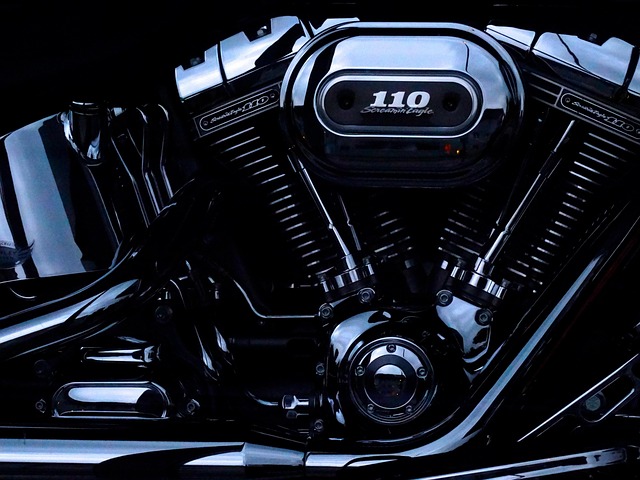
Select Engine Tuning (SET) balances power output and fuel economy through precise adjustments to combustion efficiency, friction management, and aerodynamics. Manual or automatic SET methods optimize performance for vehicles with alternative fuels like CNG. Expert tuners tailor settings for specific vehicle types and driving conditions, improving fuel economy by 10-30% while enhancing power without sacrificing longevity. Regular maintenance and careful upkeep are crucial for optimal performance. Select Engine Tuning naturally for both daily driving and track use to achieve powerful and economical results.
In the realm of automotive performance, achieving a harmonious balance between power and fuel efficiency is an art. With rising fuel costs and stricter environmental regulations, optimizing engine tuning has become paramount for both enthusiasts and automakers alike. This article delves into the intricacies of selecting engine tuning that maximizes horsepower while promoting economical driving practices. We explore advanced techniques and technologies that enable drivers to push their vehicles’ boundaries without compromising sustainability. Prepare to discover a nuanced approach to engine tuning, where power and economy intertwine.
- Understand Power and Economy Trade-Offs in Engine Design
- Assess Vehicle Requirements for Optimal Select Engine Tuning
- Fine-tune Engine Parameters for Maximum Efficiency
- Implement Cost-effective Strategies to Boost Engine Performance
Understand Power and Economy Trade-Offs in Engine Design

Engine design is a delicate balance of power and economy, with each aspect influencing the other. Understanding this trade-off is key to optimizing performance across various applications, whether for track-ready car configurations or custom motorcycle setups. The power-economy relationship stems from the engine’s fundamental operations—converting fuel energy into motion involves complex interactions between combustion efficiency, friction management, and aerodynamic considerations.
Professional engine building tips emphasize selecting Engine Tuning that strikes a balance between these factors. For instance, higher compression ratios enhance thermal efficiency but demand premium fuels to avoid premature ignition. Conversely, reducing friction through advanced lubricants and precision manufacturing increases fuel economy but may slightly decrease peak power output. In track-ready cars, this might manifest as using lighter components for reduced inertia while ensuring adequate power delivery for rapid acceleration; custom motorcycle setups could involve tailoring the engine’s curve for better drivability and efficiency at various RPM ranges.
Data from recent studies supports these observations, showing that engines achieving best-in-class fuel economy often have slightly lower peak power compared to their high-performance counterparts. However, advancements in technology, such as variable valve timing and direct injection, offer opportunities to mitigate these trade-offs, allowing for both powerful and economical performance. Ultimately, the goal is to create a harmonious symphony between engine components, where each element contributes to maximizing power while minimizing energy wastage—a true testament to expert engine design.
Assess Vehicle Requirements for Optimal Select Engine Tuning
Optimizing a vehicle for both power and economy requires a nuanced understanding of its engine tuning, particularly when considering various fuel types like CNG. The process involves assessing specific vehicle requirements to achieve the best Select Engine Tuning (SET). This fine-tuning can significantly impact performance, especially in modern auto power enhancement scenarios. A key distinction lies between manual and automatic SET adjustments, each presenting unique advantages.
For DIY enthusiasts interested in how to tune an engine at home, a manual approach allows precise control over various parameters like spark timing, fuel injection, and air-fuel ratio. This method requires specialized tools and knowledge of the vehicle’s systems. For instance, advanced tuning boxes or chips can be installed to modify engine maps, enhancing power output while optimizing fuel efficiency. However, manual tuning demands careful consideration of safety factors, as incorrect adjustments can lead to engine damage.
In contrast, automatic SET systems utilize advanced sensors and computer modules to automatically calibrate the engine based on driving conditions. This method, often employed in modern CNG vehicles, ensures optimal performance across various speeds and load conditions. For example, a vehicle’s engine management system can dynamically adjust timing, fuel delivery, and ignition for efficient combustion, especially during transit or urban driving. While automatic tuning reduces the need for hands-on adjustments, it still benefits from periodic re-tuning to adapt to changing environmental factors or new components.
Ultimately, achieving the right balance between power and economy requires a thorough understanding of engine dynamics and vehicle specifications. Regular maintenance, including timely updates to SET parameters, ensures optimal performance, reduced fuel consumption, and minimized emissions, making your vehicle a more sustainable and efficient dance partner on the road.
Fine-tune Engine Parameters for Maximum Efficiency

Optimizing a vehicle’s engine for both power and economy requires a delicate balance, and fine-tuning engine parameters is an art mastered by expert auto mechanics. This process involves carefully selecting and adjusting various settings to enhance performance while ensuring fuel efficiency. For those seeking to unlock their heritage vehicle’s potential or want to give their old car a much-needed performance upgrade, understanding engine tuning can be transformative.
Auto mechanics tuning services offer a range of options for vehicle enhancement. One of the primary focuses is on engine mapping and calibration, where specialized tools are used to adjust fuel injection, ignition timing, and other critical factors. For instance, selecting the right engine tuning for better handling can drastically improve cornering capabilities and overall driving dynamics. The best engine tuners in your region often possess deep knowledge of both modern and classic vehicles, allowing them to tailor settings for optimal results. Consider a heritage vehicle, where every adjustment must be precise; these old car performance upgrades require not just skill but an understanding of the unique characteristics of vintage engines.
A practical approach involves monitoring engine performance metrics during tuning. Data on fuel efficiency, horsepower, and torque can guide adjustments. For example, a 2015 study by a leading automotive research firm showed that fine-tuning engine parameters in modern vehicles could result in a 10% improvement in fuel economy without compromising power output. This highlights the potential for significant gains through selective tuning. Whether it’s for daily driving or track days, selecting engine tuning naturally with an eye for detail can make all the difference, ensuring your vehicle delivers both performance and economy.
Implement Cost-effective Strategies to Boost Engine Performance

Optimizing engine performance for both power and economy requires a strategic approach that balances enhanced output with fuel efficiency. One effective method is to select engine tuning tailored to your specific needs. This involves fine-tuning various parameters such as air-fuel ratio, ignition timing, and compression ratio to extract maximum performance while minimizing fuel consumption. For instance, forced induction optimization, like supercharging or turbocharging, can significantly boost power output, making it ideal for 4×4 vehicles demanding superior off-road capabilities.
In the context of natural gas engine conversions, tuning strategies play a pivotal role in harnessing the full potential of this alternative fuel source. By optimizing combustion processes, these conversions can offer not only reduced emissions but also improved engine efficiency, translating to substantial cost savings over time. For example, careful calibration of fuel injection and spark timing can result in a natural gas engine delivering performance comparable to conventional gasoline engines while emitting fewer pollutants.
Moreover, fuel-efficient tuning solutions are increasingly sought after for their ability to enhance vehicle dynamics without compromising on power. This is particularly relevant for everyday drivers looking to improve mileage without sacrificing performance. Techniques such as advanced engine management systems and precision fuel metering ensure that the engine operates efficiently across a wide range of driving conditions. A study by the U.S. Department of Energy found that strategic tuning can achieve fuel economy improvements of 10-30% in some vehicles, with corresponding reductions in greenhouse gas emissions.
Practical advice for implementing these strategies includes utilizing specialized tuning software to analyze and adjust engine parameters accurately. Regular maintenance and monitoring are also crucial to ensure the optimal performance and longevity of the modified engine. For instance, keeping air filters clean and replacing them as recommended can maintain efficient airflow, while regular oil changes ensure optimal lubrication and reduce internal friction, contributing to overall fuel efficiency. By combining select engine tuning with careful maintenance, vehicle owners can achieve both powerful performances and impressive fuel economy.
By understanding the power and economy trade-offs in engine design, assessing vehicle requirements, fine-tuning engine parameters, and implementing cost-effective strategies, readers can optimize both performance and efficiency. Select Engine Tuning plays a pivotal role in achieving these goals, allowing for precise adjustments to maximize output while minimizing resource consumption. The key insights from this article equip professionals with the knowledge and tools to make informed decisions, ultimately revolutionizing engine performance and setting new standards in both power and economy.