

Optimizing vehicle performance through Select Engine Tuning involves tailoring engine, tire, suspension, and aerodynamics for desired dynamics. Key metrics include acceleration, top speed, cornering speeds, brake performance, and steering precision. Expert guidance is crucial for DIY tuning to prevent damage. Balancing power and efficiency ensures safe, satisfying driving experiences. Upgrades like superchargers or precise marine engine adjustments offer significant gains while maintaining fuel economy. A holistic approach integrating various components unlocks a vehicle's full potential.
In the pursuit of optimal vehicle performance, understanding and transforming your car’s dynamics is paramount. The way a vehicle handles, accelerates, and responds to driver inputs significantly impacts safety, efficiency, and overall driving pleasure. However, many drivers are unaware that fine-tuning key components can yield substantial improvements. Herein lies the power of Select Engine Tuning—a cutting-edge approach that allows us to optimize engine performance, refining dynamics for both everyday driving and track days. By meticulously calibrating engine parameters, we unlock hidden potential, enhancing your vehicle’s responsiveness, power, and overall driving experience.
- Understand Vehicle Dynamics: The Foundation for Changes
- Assess Your Vehicle's Current Performance and Handling
- Select Engine Tuning for Optimal Power and Efficiency
- Implement Adjustments: Tires, Suspension, and Aerodynamics
Understand Vehicle Dynamics: The Foundation for Changes

Understanding vehicle dynamics is the foundation for any transformation aimed at enhancing performance or optimizing driving experience. Vehicle dynamics encompass the intricate interplay of various components—including the chassis, suspension, tires, and engine—that determines how a car handles, accelerates, and brakes. This complex system must be meticulously balanced to achieve ideal driving dynamics. For instance, consider the precision required in setting up a helicopter engine, where every adjustment in thrust and power delivery directly influences stability and maneuverability in flight. Similarly, hybrid vehicle tuning options and alternative fuel engine setups demand a deep understanding of dynamic interactions to maximize efficiency without sacrificing performance.
Engine tuning plays a pivotal role in transforming a vehicle’s dynamics. Select Engine Tuning, for example, offers a range of options from fine-tuning the spark plugs and injectors to more advanced adjustments like changing camshaft profiles and modifying the intake/exhaust system. These modifications can significantly impact engine power output and torque delivery, directly affecting acceleration and top speed. Home tuning kits, while offering DIY enthusiasts control over their vehicles, require meticulous care and knowledge to avoid potential harm to the engine or drivetrain. It’s crucial to follow manufacturer guidelines and consider consulting experts for accurate settings tailored to specific vehicle models.
The evolution of auto power enhancement techniques has expanded beyond traditional gasoline engines. Hybrid vehicles, with their sophisticated powertrain setups, present unique tuning opportunities. Adjusting hybrid systems can optimize electric motor/generator interactions, enhancing both fuel efficiency and overall performance. Furthermore, alternative fuel engine setups, such as those found in vehicles running on biofuels or hydrogen, demand specialized tuning methods to ensure optimal combustion and energy conversion. These advancements underscore the dynamic nature of vehicle technology and the constant need for expert knowledge to harness their full potential.
Assess Your Vehicle's Current Performance and Handling

Transforming your vehicle’s dynamics begins with a thorough understanding of its current performance and handling characteristics. Assessments should encompass both on-road behavior and off-track capabilities if applicable, such as through dynamic driving events or track days. Key metrics to consider include acceleration, top speed, cornering speeds, brake performance, and steering precision. Using advanced diagnostic tools, you can gather data that reveals areas for improvement, whether it’s a lack of power, handling slippage, or inefficient fuel consumption.
For example, a vehicle with significant weight in the rear may exhibit tail-happy handling, while one with unbalanced tire wear could struggle to maintain grip in corners. Once identified, these issues can guide your approach when selecting engine tuning services near you. Customized tuning profiles can optimize engine response, transmission shifting, and even adaptive suspension settings to enhance overall performance. High-performance engine parts, such as upgraded turbos, superchargers, or cylinder heads, can be integrated into the system, but they should be paired with competent tuning for optimal results.
Consider the aviation powerplant modifications that have refined commercial airliners’ efficiency and power. Similarly, precision adjustments to your vehicle’s engine can unlock hidden potential, improving not only straight-line speed but also cornering prowess. Keep in mind that excessive tuning adjustments without proper testing can lead to poor handling or reduced reliability. It’s crucial to strike a balance between performance gains and safety, ensuring that your vehicle remains predictable and responsive under all driving conditions.
When seeking car tuning services, research reputable shops known for their expertise and customer satisfaction. Read reviews from owners who have experienced similar transformations. Additionally, staying informed about the latest advancements in engine tuning technologies and high-performance parts can empower you to make more informed decisions. Remember that a well-tuned vehicle not only offers exhilarating driving dynamics but also enhances overall ownership satisfaction.
Select Engine Tuning for Optimal Power and Efficiency
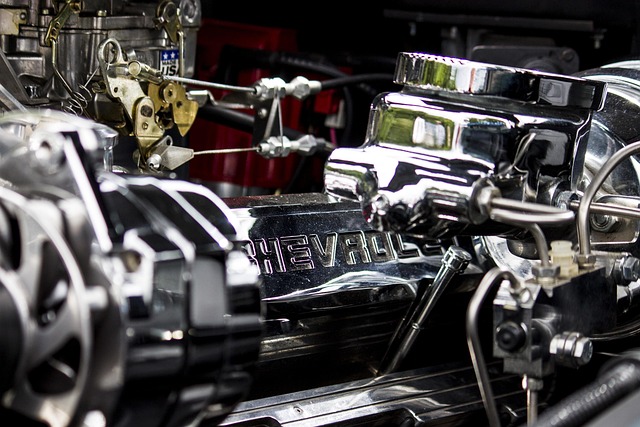
Optimizing your vehicle’s performance involves a strategic approach to engine tuning, which can unlock significant power gains while enhancing efficiency. This process is particularly impactful when considering small plane performance boosts, off-road vehicle setup, or even marine engine fine-tuning. By meticulously selecting and implementing engine tuning adjustments, you can transform your vehicle from good to exceptional.
For instance, supercharger engine upgrades represent a powerful method to enhance both power and fuel efficiency. These high-performance forced induction systems increase the amount of air entering the engine, leading to more effective combustion and improved torque output. Studies have shown that correctly tuned superchargers can deliver up to 30% more horsepower while maintaining optimal fuel economy, making them a popular choice among enthusiasts and professionals alike. When fine-tuning marine engines, for example, precise adjustments in compression ratio, spark timing, and fuel delivery can significantly improve speed and efficiency, ensuring your vessel operates at peak performance.
Selecting the right engine tuning involves a deep understanding of your vehicle’s architecture and specific goals. It’s not merely about increasing horsepower; it’s about achieving a harmonious balance between power and efficiency. For daily drivers, this might mean optimizing for fuel economy while still providing adequate performance. Off-road vehicles, on the other hand, may prioritize raw power and torque for tackling challenging terrain. Ultimately, the key lies in making informed decisions based on data—understanding how each tuning parameter influences your vehicle’s dynamics and choosing settings that align with your desired outcome.
Implement Adjustments: Tires, Suspension, and Aerodynamics
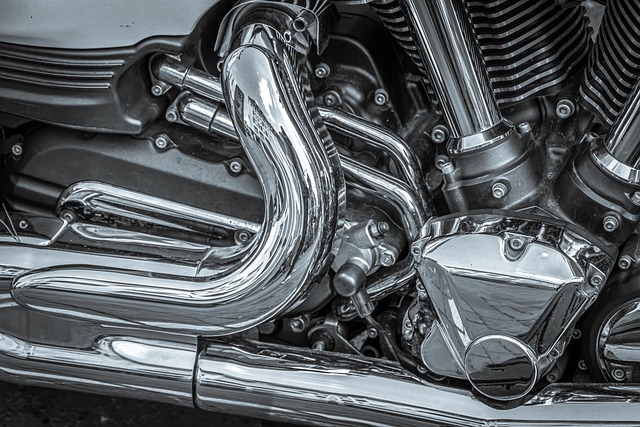
Transforming your vehicle’s dynamics involves a holistic approach, with significant attention given to critical components like tires, suspension, and aerodynamics. Each of these elements plays a pivotal role in enhancing performance, handling, and overall driving experience. For instance, optimizing tire pressure and tread patterns can improve grip and cornering enhancements, as seen in race cars where precise tire management allows for breathtaking maneuvers.
Suspension systems are the unsung heroes of vehicle dynamics, enabling optimal contact between tires and the road surface. Upgrading shock absorbers and springs can dramatically alter a car’s handling characteristics, providing smoother rides while improving agility on winding roads. Aviation powerplant modifications, though more extreme, exemplify the potential for dramatic changes; engine rebuilding and tuning can unlock hidden horsepower, transforming a mundane vehicle into a formidable machine.
Aerodynamics, the final piece of this puzzle, influences both speed and stability. Adding aerodynamic components like spoilers or diffusers can reduce drag, allowing for higher top speeds and better fuel efficiency. Selective engine tuning, when combined with these adjustments, can further optimize performance. For example, a carefully calibrated engine tune in conjunction with upgraded tires and suspension can deliver surprising cornering capabilities, rivaling those of high-performance sports cars. Ultimately, achieving dynamic transformation requires a balanced approach, integrating various components to unlock the vehicle’s full potential.
By thoroughly understanding your vehicle’s dynamics and implementing strategic adjustments across engines, tires, suspension, and aerodynamics, you can significantly transform its performance and handling. Assessing current capabilities and selecting tailored engine tuning is a crucial first step. Practical modifications like optimizing tire pressure, fine-tuning suspension settings, and refining aerodynamic profiles further enhance control and efficiency. These insights empower vehicle owners to make informed decisions, ensuring both optimal power delivery and a more responsive driving experience. Leveraging these key strategies, as outlined in this authoritative guide, positions you to unlock your vehicle’s full dynamic potential.