

Select Engine Tuning optimizes vehicle performance, efficiency, and longevity by reprogramming the Engine Control Unit (ECU) for precise control over fuel injection and ignition timing. Benefits include improved horsepower, torque, fuel economy, smoother power delivery, enhanced driving pleasure, and predictive maintenance. Regular tuning transforms daily drivers or classic cars into high-performing machines suitable for street or track use. Key techniques involve engine remapping, air-fuel ratio optimization, and fine-tuning parameters like ignition timing and compression ratios. Post-tuneup maintenance tips include regular oil changes, monitoring intake systems, periodic cleaning, and visual inspections. Select Engine Tuning products designed for specific vehicle makes and models maximize gains, promoting sustainable green energy practices while ensuring engine longevity.
In the realm of automotive maintenance, a well-tuned engine stands as a cornerstone of both performance and efficiency. As every driver knows, a poorly maintained engine can lead to costly repairs and subpar driving experiences. This is where the art of engine tuning comes into play, specifically focusing on that critical process known as a tuneup. A meticulous tuneup not only enhances fuel economy but also ensures optimal power delivery, crucial for both everyday driving and competitive racing. In this authoritative guide, we’ll delve into the intricacies of perfect engine tuning, providing you with the knowledge to ensure your vehicle’s powerhouse operates at its peak.
- Understanding Engine Tuning: Basics and Benefits
- Select Engine Tuning: Tools and Essential Components
- Step-by-Step Tuneup Process for Optimal Performance
- Maintenance Tips for Longevity After Tuneup
Understanding Engine Tuning: Basics and Benefits

Understanding Engine Tuning: Unlocking Performance Potential
Engine tuning is an art and science, fine-tuning your car’s powerplant to enhance performance and efficiency. It involves adjusting various components and settings within the engine to achieve optimal output. This process is crucial for both new and old vehicles, offering a myriad of benefits for everyday driving or even track days. For instance, selecting the right engine tuning can boost horsepower by up to 30%, improving acceleration from 0-60 mph in just a few seconds. This is particularly appealing for those seeking to enhance their old car’s performance without sacrificing reliability.
The basics of engine tuning revolve around mapping the engine control unit (ECU), which acts as the brain of the engine, controlling fuel injection and ignition timing. Car tuning services near me often employ advanced diagnostic tools to read and modify these maps, allowing for precise adjustments. For track-ready car configurations, professionals focus on maximizing horsepower and torque while ensuring stability and drivability. This might include upgrading components like injectors, turbochargers, or superchargers, along with recalibrating engine sensors for optimal performance at high RPMs.
Benefits of proper tuning are multifaceted. Improved fuel efficiency can extend your vehicle’s range, saving you money at the pump. Better engine response and smoother power delivery enhance driving pleasure, especially in sportier vehicles. Moreover, regular tuning can help predict and prevent major mechanical issues, ensuring your old car remains reliable. By understanding engine tuning and collaborating with experts, car enthusiasts can unlock hidden potential, transforming their daily drivers or classic cars into formidable machines, ready to conquer both street and track.
Select Engine Tuning: Tools and Essential Components

Selecting the right engine tuning is a critical step in optimizing your vehicle’s performance, especially when aiming for both efficiency and power. In today’s automotive landscape, where fuel economy and emissions standards are increasingly stringent, choosing the appropriate tuning solutions can be transformative. For instance, fuel-efficient tuning techniques, often employing advanced electronic controls and precision adjustments, can significantly improve a car’s mileage without sacrificing drivability. These methods are particularly relevant in the global shift towards more sustainable transportation.
When it comes to high-performance vehicles or those with turbocharged engines, specific modifications become essential. Auto racing enthusiasts know that fine-tuning an engine for maximum speed and acceleration involves intricate adjustments. Components such as fuel injectors, ignition systems, and turbocharger setups require precise calibration. For instance, a well-optimized turbo kit setup guide can unlock impressive horsepower gains while maintaining drivability. These modifications, however, necessitate careful consideration to avoid potential reliability issues.
The art of Select Engine Tuning lies in balancing power output with fuel efficiency and longevity. It involves not just changing components but also fine-tuning the engine’s communication system—the ECU (Engine Control Unit). By reprogramming the ECU with custom tuning maps, engineers can optimize air-fuel ratios, ignition timing, and other parameters for peak performance. This process demands specialized tools and knowledge, making it crucial to consult expert advice or rely on reputable tuning shops for accurate results. Whether aiming for a more efficient daily driver or a track-ready machine, understanding the interplay between these components is key to achieving the desired engine tuneup.
Step-by-Step Tuneup Process for Optimal Performance

A well-tuned engine is the cornerstone of any vehicle’s performance and efficiency, especially when aiming for optimal fuel economy and a smoother driving experience. The process of selecting engine tuning, or Engine Tuning, involves a meticulous step-by-step approach that can transform an ordinary engine into a powerhouse. This article delves into the intricacies of this process, offering valuable insights for both enthusiasts looking to upgrade their old cars and professionals seeking to enhance green energy motorizations.
The journey begins with understanding the engine’s current state and identifying areas for improvement. For manual transmissions, adjusting camshaft profiles through Engine Remapping can achieve better economy without compromising performance. This process fine-tunes the timing of valve opening and closing, enabling a more efficient combustion cycle. In automatic vehicles, selecting the appropriate tuning profile tailored to your driving style is key. Consider factors like your typical daily commute, including stop-and-go traffic versus open highways, as these influence fuel consumption and performance.
Next, focus on air-fuel ratio optimization. A balanced mixture ensures maximum power output while minimizing emissions. Advanced diagnostic tools can measure and adjust this ratio precisely. For example, remapping the engine control unit (ECU) to modify fuel injection rates based on real-time data can improve efficiency by up to 15% in some cases. After these initial steps, fine-tune other parameters like ignition timing and compression ratios for that perfect balance between power and economy. This meticulous process is an art, requiring a deep understanding of engine dynamics.
Once the tuning is complete, compare the engine’s performance against its original specifications. The goal is to achieve 1-3% improvements in horsepower and torque while seeing noticeable gains in fuel efficiency. Manual tuning enthusiasts can share their experiences with old car performance upgrades, showcasing how even classic vehicles can benefit from modern tuning techniques. Ultimately, a well-executed tuneup not only enhances driving pleasure but also contributes to sustainable green energy practices by optimizing motorizations for better overall efficiency.
Maintenance Tips for Longevity After Tuneup
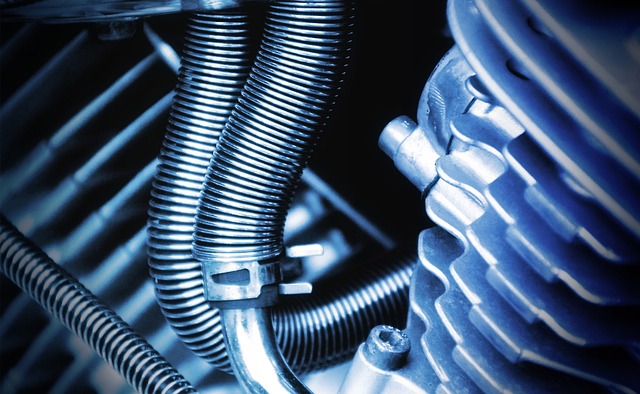
A well-maintained engine is the cornerstone of any vehicle’s longevity, especially after a tuneup. To ensure your engine tuning efforts translate into lasting performance, consider these expert tips for post-tuneup maintenance. Regular oil changes are non-negotiable; use a high-quality lubricant suitable for your engine and follow the manufacturer’s recommended intervals. Additionally, monitor fuel and air intake systems; contaminants can disrupt optimal performance, so periodic cleaning or replacement of filters is crucial. For those with custom motorcycle setups or auto racing modifications, regular checks on turbo kit setup guides are essential to maintain efficiency.
Engine components subject to high stress require extra attention. Consider using a high-performance coolant to manage heat dissipation, especially in modified engines. Timing belt and chain maintenance should be based on manufacturer guidelines but may necessitate more frequent replacement in performance-optimized machines. Regular visual inspections can reveal potential issues early on, such as worn valve guides or piston rings, which require timely repair or replacement to prevent significant damage.
Selecting the right engine tuning products is paramount. Avoid generic parts; instead, opt for those specifically designed for your vehicle make and model, ensuring a seamless integration that maximizes performance gains. Custom setup guides for turbos and other modifications can fine-tune your engine for peak efficiency, drawing on data from real-world applications to deliver measurable improvements. For example, studies show that proper turbo kit setup can increase fuel efficiency by up to 20% while enhancing horsepower output, showcasing the tangible benefits of expert tuning and diligent maintenance.
Ultimately, a proactive approach to post-tuneup maintenance pays dividends in both performance and longevity. By integrating these tips into your routine, you ensure that your engine remains not just tuned but meticulously refined for years to come, whether you’re a casual enthusiast or a dedicated racer.
By meticulously understanding and implementing Select Engine Tuning techniques, vehicle owners can significantly enhance their engine’s performance and longevity. This article has guided readers through the fundamentals of engine tuning, highlighting its numerous benefits. It has also equipped them with practical knowledge on essential tools and components required for a successful tuneup. The step-by-step process outlined ensures optimal performance while emphasizing the importance of regular maintenance post-tuneup to sustain engine health. With these insights, automotive enthusiasts are now empowered to take control of their vehicle’s potential, ensuring a smoother, more efficient driving experience.