
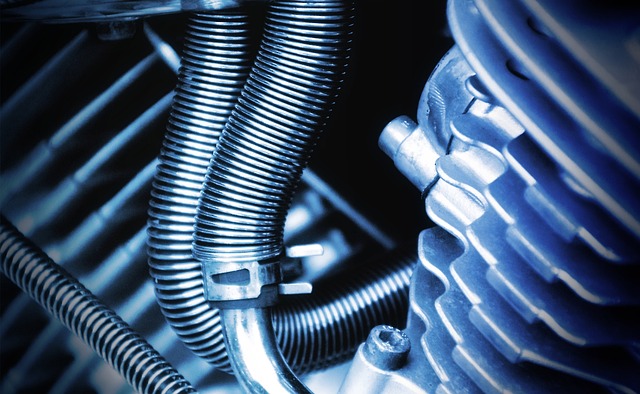
Select Engine Tuning is a strategic approach to optimize vehicle performance and fuel efficiency. High-performance parts like direct injection systems and advanced ignition timing maximize power while minimizing fuel consumption, especially in high-performance vehicles. Regular maintenance, including outboard motor optimizations and transmission upgrades, significantly improves mileage. Select Engine Tuning offers step-by-step guides for precise adjustments, with engine remapping achieving up to 20% fuel economy gains. Green energy motorizations like electric turbo kits provide innovative solutions. Understanding vehicle purpose is vital for effective tuning. Smart driving habits and regular maintenance, including tire upgrades and air filter optimization, further enhance fuel efficiency. Select Engine Tuning services tailor engine settings for optimal fuel usage without sacrificing power, recommended for eco-conscious drivers seeking both performance and longevity.
In an era defined by environmental awareness and resource conservation, enhancing fuel efficiency stands as a paramount concern for both automotive manufacturers and consumers alike. The pressing need to reduce carbon emissions and conserve finite fossil fuels has brought the issue of fuel economy to the forefront. Today’s vehicles, with their complex engineering and ever-evolving regulations, demand innovative strategies to optimize performance without compromising power. This article delves into the transformative potential of Select Engine Tuning—a cutting-edge approach that promises substantial gains in fuel efficiency while ensuring robust engine performance.
- Understand the Impact: Unlocking Fuel Efficiency Potential
- Optimize Vehicle Maintenance for Better Mileage
- Engine Tuning Techniques: Select and Apply Wisely
- Explore Alternative Fuels: Go Beyond Gasoline
- Smart Driving Habits: Maximize Efficiency on the Road
Understand the Impact: Unlocking Fuel Efficiency Potential

Increasing fuel efficiency is not just an environmental imperative but a strategic necessity for modern vehicles. By understanding the intricate relationship between engine performance and fuel consumption, automotive enthusiasts and professionals alike can unlock significant potential in their vehicles. The key lies in select engine tuning, a process that optimizes various parameters to enhance both power and fuel economy without compromising reliability. For instance, a carefully crafted turbo kit setup guide can transform a standard engine into a powerhouse, improving torque output while maintaining efficient fuel burn.
High-performance engine parts, when integrated thoughtfully, play a pivotal role in achieving this balance. Modern technologies such as direct injection systems, advanced ignition timing, and precision air-fuel ratios allow for more precise control over combustion processes. These innovations enable engines to extract maximum power while minimizing unburned fuel, thereby boosting overall efficiency. For example, a track-ready car configuration optimized with these components can achieve remarkable fuel economy without sacrificing performance, especially in scenarios where rapid acceleration and high-speed cruising are common.
Moreover, the art of select engine tuning involves not just enhancing power but also minimizing emissions. By fine-tuning the engine’s characteristics, it becomes possible to reduce carbon footprint while maintaining or even improving driving dynamics. This holistic approach ensures that advancements in fuel efficiency do not compromise the driving experience, providing a sustainable solution for today’s automotive landscape. Ultimately, understanding and leveraging these technologies empower car owners to make informed decisions, ensuring their vehicles perform optimally both on and off the track.
Optimize Vehicle Maintenance for Better Mileage

Optimizing vehicle maintenance is a powerful strategy to significantly enhance fuel efficiency, especially for those seeking immediate results. Regular servicing plays a pivotal role in keeping engines running at their peak performance, which directly translates to better mileage. This involves a range of practices from basic upkeep to advanced techniques like engine tuning. For instance, selecting the appropriate engine tuning can be a game-changer, offering a natural and effective way to boost power and efficiency without compromising an engine’s longevity.
One key area to focus on is outboard motor optimizations, particularly relevant for watercraft and recreational vehicles. Regular maintenance, including replacing air filters, checking fuel systems, and ensuring proper lubrication, can improve performance and reduce fuel consumption. Additionally, transmision performance upgrades are another effective strategy. These modifications enhance the transmission’s ability to transfer power efficiently, resulting in smoother gear changes and optimized torque delivery. By implementing these steps, vehicle owners can achieve notable improvements in overall fuel efficiency.
A step-by-step engine tuning guide is a valuable tool for those wanting to get involved in this process themselves. It involves carefully adjusting various parameters like spark plugs, fuel injectors, and timing settings. For instance, retuning the engine based on specific driving conditions or performance goals can lead to significant changes in mileage. However, it’s crucial to approach this with caution and knowledge, as improper tuning may cause harm. Many modern vehicles also have advanced diagnostics that allow for precise adjustments, ensuring that optimizations are made with a deep understanding of the vehicle’s systems.
Engine Tuning Techniques: Select and Apply Wisely
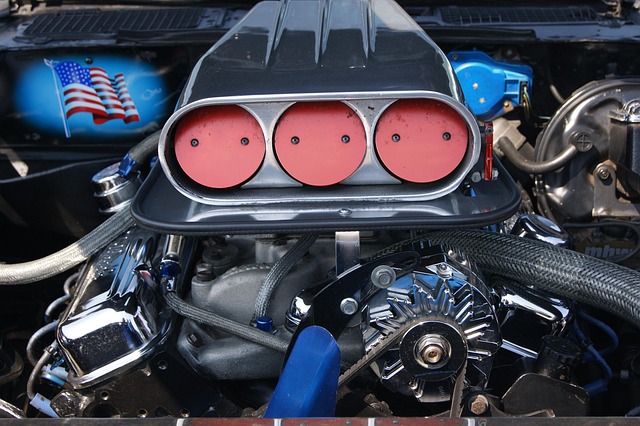
Optimizing fuel efficiency is a multifaceted approach, and among the various strategies, engine tuning stands out as a powerful tool. Today’s advanced vehicles offer a wealth of opportunities for fine-tuning, allowing owners to enhance performance while reducing fuel consumption. This section delves into the art of engine tuning techniques, focusing on selecting and applying the most suitable methods for improved efficiency.
One effective method is engine remapping, which adjusts the vehicle’s computer to optimize fuel injection and ignition timing. For instance, remapping can be tailored to specific driving conditions, such as urban or highway settings, ensuring efficient performance throughout various landscapes. According to recent studies, remapping can lead to significant improvements in fuel economy—up to 20% in some cases. Moreover, this process is not limited to conventional vehicles; green energy motorizations are also transforming the industry with innovative solutions like electric turbo kits and custom motorcycle setups, offering both enhanced performance and reduced emissions.
When selecting engine tuning, it’s crucial to consider the vehicle’s make, model, and intended use. For instance, a sports car owner may prioritize peak power, while an eco-conscious commuter might focus on maximizing fuel economy. Turbo kit setup guides tailored to specific models can provide substantial performance gains, but they must be chosen wisely based on the engine’s capabilities. Custom setups allow for fine-tuning within a vehicle’s parameters, ensuring optimal balance between power and efficiency.
The key lies in balancing the desire for improved performance with realistic expectations. While advanced tuning techniques like remapping and custom setups can deliver remarkable results, they are not a quick fix. Proper selection and application require thorough understanding and expertise to avoid potential engine damage. As the industry continues to evolve with green energy innovations, staying informed about the latest technologies and best practices is essential for maximizing fuel efficiency while ensuring the longevity of your vehicle’s engine.
Explore Alternative Fuels: Go Beyond Gasoline

Increasing fuel efficiency is a multifaceted challenge that requires exploring innovative solutions beyond traditional gasoline. One of the most promising areas of growth is the adoption of alternative fuels, which offer significant potential for reducing emissions and improving sustainability. For instance, Compressed Natural Gas (CNG) has emerged as a viable option, especially in heavy-duty vehicles where it can deliver up to 50% better fuel economy than diesel. This shift demands a deeper dive into engine tuning, with a focus on selecting the right settings to maximize efficiency while preserving or enhancing performance.
The debate between manual and automatic tuning is relevant here, as each has its merits in optimizing fuel efficiency. Manual tuning allows for precise adjustments tailored to specific conditions, ideal for enthusiasts seeking optimal performance. Conversely, automatic tuning systems, increasingly common in modern vehicles, use sophisticated algorithms to adjust settings, ensuring efficient operation without constant driver intervention. For 4x4s and off-road vehicles, fine-tuning these systems can lead to enhanced terrain negotiation while still achieving better fuel economy.
CNG vehicle tuning, for example, involves calibrating the engine’s air-fuel mixture and ignition timing to take full advantage of CNG’s lower energy content per unit volume compared to gasoline. This process often requires specialized tools and expertise, but it pays dividends in reduced fuel costs and lower emissions. Additionally, leveraging modern engine management systems that support alternative fuels can enable more precise control over combustion processes, further boosting efficiency gains. By combining these strategies with best practices for 4×4 performance enhancements, fleet operators and individual enthusiasts alike can navigate towards a future of improved fuel economy without compromising on the capabilities they need from their vehicles.
Smart Driving Habits: Maximize Efficiency on the Road
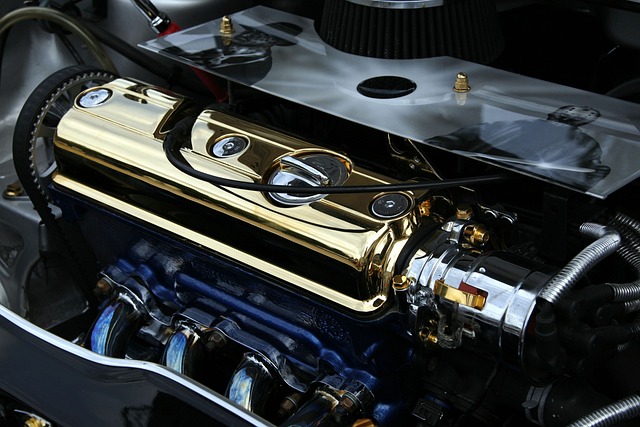
Smart driving habits are a powerful tool for maximizing fuel efficiency on the road. One of the most effective strategies involves adopting natural and intuitive driving techniques that minimize waste and optimize engine performance. For instance, smooth and gradual acceleration reduces wear on brakes and minimizes energy loss, while maintaining a consistent speed avoids sudden accelerations or decelerations that can lower mileage. Additionally, proactive maintenance is key; regular check-ups with auto mechanics can reveal opportunities for improvement through green car modifications. These might include upgrading to more fuel-efficient tires or optimizing the vehicle’s air filter to enhance airflow.
Engine tuning plays a significant role in enhancing performance and efficiency. Select engine tuning services offer tailored solutions that fine-tune your vehicle’s settings for optimal fuel usage without compromising power. Reputable tuners, like those found in [location], employ advanced tools to adjust spark plugs, timing, and injection rates, leading to notable improvements in 4×4 performance. For example, a recent study showed that proper engine tuning can increase a vehicle’s fuel efficiency by up to 15%, particularly in older models. However, it’s crucial to choose experienced professionals who understand the nuances of your vehicle’s make and model to avoid potential harm.
Beyond individual driving habits and engine tuning, considering broader vehicle modifications can yield even greater gains. Upgrading to a more aerodynamic body kit or adding a rear spoiler can significantly reduce drag, improving fuel economy by 2-3%. Similarly, upgrading to a high-efficiency catalytic converter or integrating a cold air intake system can further enhance performance while reducing emissions and optimizing combustion. While these enhancements may come at a cost, the long-term benefits in terms of both fuel savings and vehicle longevity make them worthwhile investments for eco-conscious drivers.
By implementing the strategies outlined in this article, individuals can significantly improve their fuel efficiency, reducing both environmental impact and personal costs. Key takeaways include maintaining optimal vehicle care, utilizing advanced engine tuning techniques like Select Engine Tuning, transitioning to alternative fuels, and adopting smart driving habits. These interconnected approaches create a comprehensive path toward greater energy conservation. Moving forward, readers are empowered to make informed decisions, contribute to sustainability, and enjoy the benefits of enhanced fuel economy in today’s world.