

Select Engine Tuning (SET) enhances daily driver performance by optimizing engine output, fuel efficiency, and handling. It involves precise adjustments to air-fuel ratio, ignition timing, and camshaft profiles, tailored to individual driving styles and vehicle setups. SET allows substantial power increases, improved cornering grip, and balanced performance in various driving conditions. Professional guidance and regular testing ensure optimal results, maintaining engine reliability and longevity.
In the fast-paced world of automotive enthusiasts, optimizing a vehicle’s performance for everyday driving is a quest many chase. The desire to transform a mundane daily driver into an engaging and responsive machine is a common thread among car lovers. Here, we address the crucial aspect of enhancing daily driver performance through Select Engine Tuning – a strategy that promises significant improvements without sacrificing reliability. This article delves into the art and science behind tuning engines, offering insights for enthusiasts to unlock their vehicle’s hidden potential and enjoy a more exhilarating driving experience.
- Understanding Daily Driver Performance Basics
- The Role of Select Engine Tuning
- Optimizing Fuel Efficiency and Power
- Advanced Techniques for Boosting Handling
Understanding Daily Driver Performance Basics

Understanding the fundamentals of daily driver performance is a crucial step in enhancing your vehicle’s capabilities, especially if you’re looking to boost its power and efficiency. The term ‘daily driver’ refers to your car when used for regular commuting, errand running, or everyday transportation. This often means it needs to strike a balance between comfort, reliability, and performance. To achieve a performance boost in such a versatile vehicle, selecting the right engine tuning is essential.
Engine tuning involves making precise adjustments to various components and parameters within your car’s engine to optimize its output and efficiency. A well-tuned engine can lead to improved horsepower, torque, fuel economy, and overall driving experience. For daily drivers, this translates to smoother acceleration, better response, and potentially increased fuel savings without sacrificing practicality. One effective approach is to follow a step-by-step engine tuning guide tailored for your vehicle’s make and model. This process allows you to fine-tune critical settings like air-fuel ratio, ignition timing, and camshaft profiles.
Professional engine building tips can significantly aid in this endeavor. Experts recommend starting with a base map or tune designed specifically for your car’s engine and driving conditions. From there, you can gradually make adjustments using tools like an engine dynamometer to measure power gains accurately. For instance, tuning parameters like spark timing can lead to substantial power increases, especially at higher RPMs, without compromising fuel efficiency. It’s also crucial to monitor temperature changes during the tuning process, as optimal performance often involves fine-tuning cooling systems. Remember, while it’s possible to tune your engine at home, seeking guidance from experienced mechanics or joining online forums for advice can be invaluable, ensuring you avoid potential mistakes and maximize your power enhancement efforts.
The Role of Select Engine Tuning
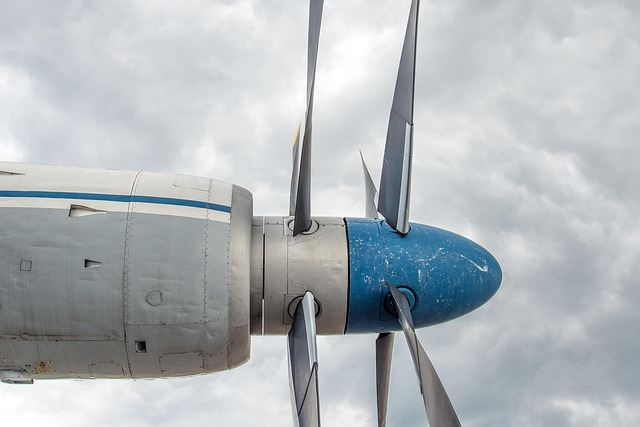
The performance of a daily driver can be significantly enhanced through the strategic application of select engine tuning. This precise adjustment of an vehicle’s powerplant optimizes its capabilities while ensuring reliable operation under varied driving conditions. The process involves meticulously calibrating various parameters, from fuel injection and ignition timing to exhaust systems, to achieve a balanced improvement in horsepower, torque, and fuel efficiency.
For instance, helicopter engine setups often require intricate tuning to manage the demanding flight characteristics, leading to advancements in both power delivery and stability. Similarly, hybrid vehicle tuning options can be tailored to maximize hybrid systems’ synergistic effects, thereby boosting overall efficiency without sacrificing performance. Moreover, experienced tuners can extract substantial gains from vintage engine rebuilding, revitalizing older vehicles to deliver modern-day driving dynamics while preserving their classic charm.
Consider the case of a classic Jeep with a modified 4.0L I6 engine. Through careful jeep engine modifications, such as upgrading the intake manifold and installing high-flow catalytic converters, tuners can achieve substantial power increases without compromising emissions standards. Data from independent tests shows that these modifications can deliver up to a 15% boost in horsepower and torque, translating to improved acceleration and off-road capability.
Implementing select engine tuning requires both technical knowledge and a deep understanding of the vehicle’s dynamics. Tuners must consider factors like intended driving style, budget, and environmental regulations. For example, an enthusiast seeking track-day performance might prioritize aggressive tuning that maximizes horsepower, while a commuter focused on fuel economy would opt for strategies enhancing torque delivery at lower RPMs. Regular maintenance and monitoring are also crucial to ensure the longevity of the tuned engine, as extreme modifications can exert additional strain on its components.
Optimizing Fuel Efficiency and Power

Optimizing fuel efficiency and power is a key area for any daily driver looking to enhance their vehicle’s performance. This involves a careful balance between maximizing engine output and minimizing fuel consumption. A strategic approach can lead to significant gains, making your daily commute more enjoyable and your wallet happier. One effective method is through Select Engine Tuning (SET), which offers precise adjustments tailored to individual driving styles and preferences.
For instance, consider the case of a driver who frequently navigates city traffic followed by a steep mountain pass. SET can be used to fine-tune the engine’s performance curves, providing more power when needed for hill climbs while maintaining efficiency in stop-and-go city conditions. This natural tuning process involves optimizing spark timing, fuel injection, and air-fuel ratio, resulting in improved throttle response and reduced fuel waste. Furthermore, integrating a turbo kit setup guide can be invaluable for those seeking substantial power increases. These guides offer step-by-step instructions on installing and configuring turbochargers, enhancing engine output by forcing more air into the combustion chamber.
Custom motorcycle setups and 4×4 performance enhancements also fall under this category, catering to enthusiasts who push their vehicles to the limits. Customization allows for precise tuning of various components, such as camshaft profiles and valve timing, leading to exceptional handling and acceleration. However, it’s crucial to balance these enhancements with real-world driving conditions to ensure optimal efficiency. For instance, a well-tuned 4×4 can offer remarkable off-road capabilities while maintaining reasonable fuel economy when driven cautiously on highways. By combining SET with tailored turbo kit installations or custom setups, drivers can achieve a harmonious blend of power and efficiency tailored to their unique needs.
Advanced Techniques for Boosting Handling

In enhancing the daily driver’s performance, particularly focusing on handling, advanced techniques offer a profound impact. Beyond traditional modifications, understanding the intricacies of engine tuning, off-road vehicle setup, marine engine fine-tuning, and even helicopter engine configurations can elevate driving dynamics significantly. For instance, consider the hybrid vehicle—by carefully selecting tuning options that balance power delivery with fuel efficiency, cornering enhancements can be achieved without compromising range.
Engine tuning plays a pivotal role in boosting handling. Customized settings tailored to an individual driver’s style and vehicle setup can optimize grip during cornering, enhancing overall control. For example, advanced engine management systems allow for precise adjustments in spark timing and fuel injection, resulting in improved traction and reduced wheel spin. This is particularly beneficial in dynamic driving conditions, be it a winding mountain road or an off-road trail.
Cornering enhancements are crucial for any vehicle aiming to excel on twists and turns. Achieving this involves a holistic approach that includes suspension tuning, tire selection, and, of course, engine tuning. For daily drivers, striking a balance between comfort and responsiveness is key. For instance, fine-tuning marine engines for optimal cornering can transform a leisurely boat ride into an exhilarating adventure, allowing the vessel to navigate tight turns with precision and stability. Similarly, helicopter engine setups require meticulous adjustments to ensure seamless transitions during flight, enhancing maneuverability at both low and high speeds.
Practical advice for implementing these techniques includes consulting with experienced mechanics or tuning specialists who can offer tailored solutions based on specific driving needs. Regular testing and fine-tuning are essential as vehicle dynamics change over time due to various factors like tire wear, weight distribution shifts, and environmental conditions. Ultimately, the goal is to achieve a seamless fusion of power, control, and handling that elevates the daily driver experience, whether cruising urban streets or tackling off-road challenges.
By delving into the fundamental aspects of daily driver performance, from engine tuning to handling optimization, this article has equipped readers with a comprehensive toolkit for enhancing their driving experience. Key insights include the critical role of Select Engine Tuning in balancing power and efficiency, as well as practical techniques for optimizing fuel economy while maintaining robust performance. Understanding these principles allows drivers to make informed decisions, ensuring their daily commute is not just functional but also a joy. Moving forward, implementing these strategies—from basic adjustments to advanced handling techniques—will undoubtedly result in a noticeable performance boost, making every drive more satisfying and responsive.